Task of the Week: Nine Figures

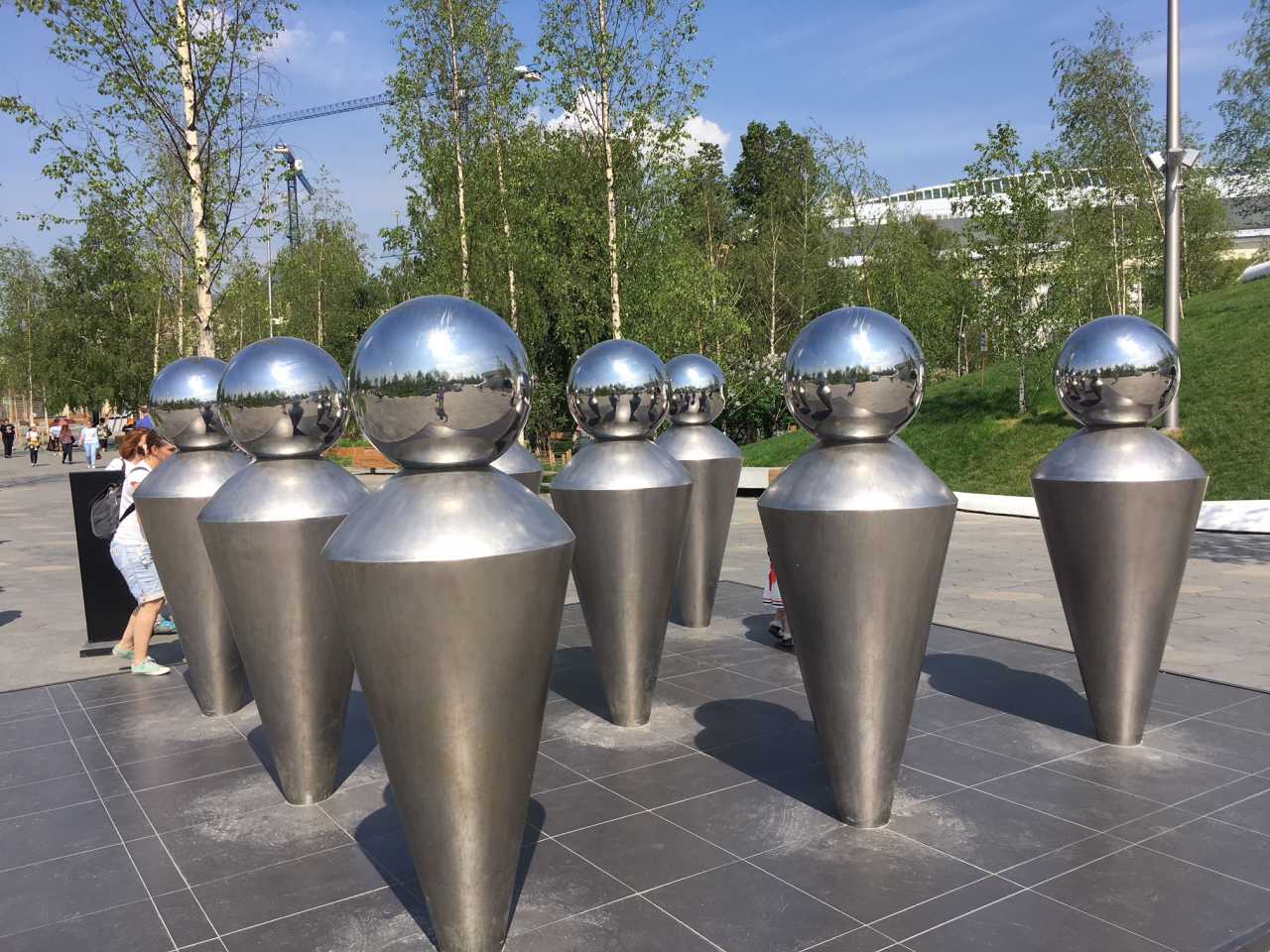
Today’s best practice example in the Task of the Week focuses on composite geometric bodies with truncated cones and a sphere. Task: Nine figures (Task number: 3780) Determine the volume of one of those figures. Give the result in liters. As mentioned, the figure can be divided into a large, a small truncated cone and […]
Today’s best practice example in the Task of the Week focuses on composite geometric bodies with truncated cones and a sphere.


Task: Nine figures (Task number: 3780)

Determine the volume of one of those figures. Give the result in liters.


As mentioned, the figure can be divided into a large, a small truncated cone and a sphere. This step is an important step by ignoring smaller derivations and through the mental disassembly of the figure. Afterwards, a clever and accurate way to determine the respecitve heights and/or radii must be chosen. By adding the volumes, the total volume results. By specifiying four possible solutions via multiple choice, it is possible to determine the result by approaching and estimating.
Task of the Week: Europe Tower

The current Task of the Week deals with one of the many landmarks of Frankfurt: the Europe tower, also known as “asparagus”. The related task is to estimate the own distance to the tower using the intercept theorems. Task: Europe Tower (task number: 1595) Determine the distance from your location to the Europe Tower. Give […]

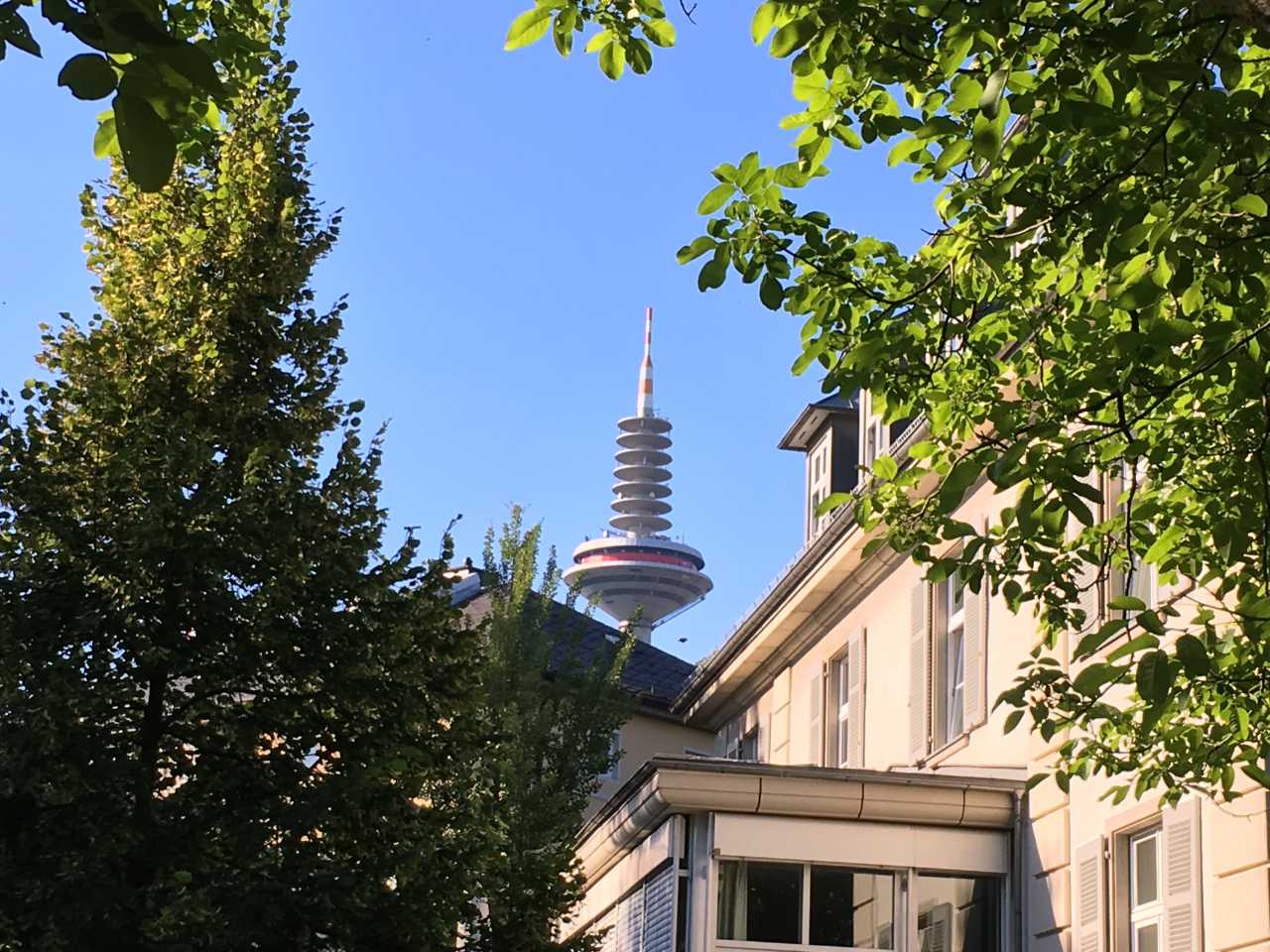
The current Task of the Week deals with one of the many landmarks of Frankfurt: the Europe tower, also known as “asparagus”. The related task is to estimate the own distance to the tower using the intercept theorems.


Task: Europe Tower (task number: 1595)

Determine the distance from your location to the Europe Tower. Give the result in meters. Info: the pulpit has a diameter of 59 m.


The first challenge is to find a suitable solution. With the aid of the intercept theorems, the task can be solved with the use of one’s own body. The arm and thumbs are streched so that the pulpit of the tower is covered with one eye opened. Afterwards the distance to the tower can be calculated with help of the thumb width and the arm length or distance from thumb to eye.

The task is a successful example of “outdoor mathematics” by using the theoretical formulas (here: intercept theorems) in an authentic application in the environment. To solve the problem, the students need knowledge about the intercept theorems. The task can thus be assigned to geometry and can be solved from class 9 onwards.

Task of the Week: Block of concrete at Camps Bay

The current “Task of the Week” is about determining the mass of a concrete sculpture in Camps Bay near Cape Town, the capital of South Africa. The special feature of this sculpture is that it is a composite geometric figure whose components are modeled and calculated individually. Task: Block of concrete at Camps Bay (task […]

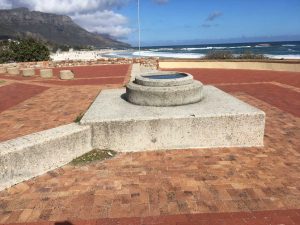
The current “Task of the Week” is about determining the mass of a concrete sculpture in Camps Bay near Cape Town, the capital of South Africa. The special feature of this sculpture is that it is a composite geometric figure whose components are modeled and calculated individually.


Task: Block of concrete at Camps Bay (task number: 1811)

Calculate the mass of this concrete sculpture. 1cm³ weighs about 2.8g. Enter the result in tons!


In order to solve the problem, it is necessary to divide the sculpture into three basic parts: a cuboid and two cylinders. Then, the necessary lengths are measured and the volumes of the bodies are calculated and added. In the last step, the total volume of the sculpture is multiplied with the density of concrete, which leads to the total weight of the sculpture.

This kind of task can easily be transferred to similar objects, whereby the degree of difficulty can be varied according to the composition of the figure. This type of task teaches the geometric view and understanding of composite bodies.

Task of the Week: The Wall

Today’s Task of the Week is an example of a task that you can create with minimal effort using the Task Wizard. It is about determining the number of stones in a given rectangular area. The object here is a wall, but similar objects can also be pavements. Task: The Wall (task number: 1077) Determine […]

Task of the Week

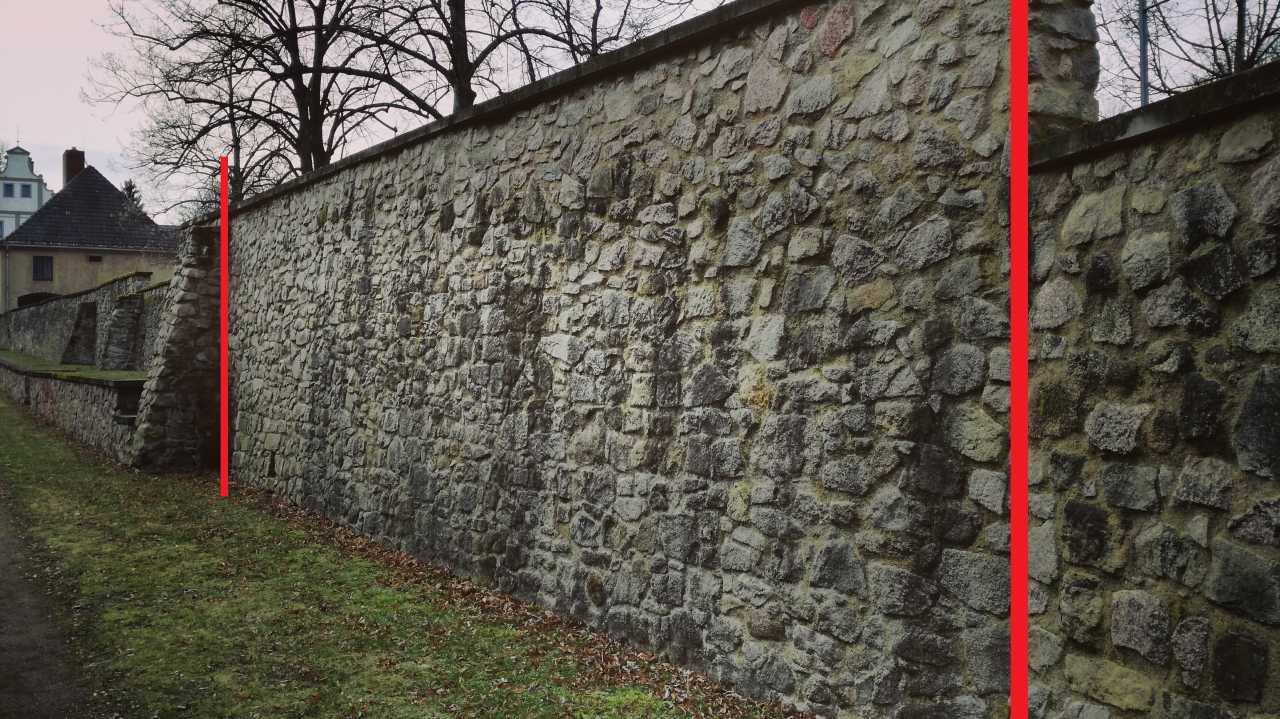
Today’s Task of the Week is an example of a task that you can create with minimal effort using the Task Wizard. It is about determining the number of stones in a given rectangular area. The object here is a wall, but similar objects can also be pavements.


Task: The Wall (task number: 1077)

Determine the number of stones of the wall front in the marked area.


In order to solve the problem, the students can proceed in various ways. On the one hand, it is possible to determine the number of stones in one square meter and to measure the length and height of the rectangular wall. In this solution, the accuracy can be increased by counting several square meters and then taking the mean value. On the other hand, the students can count the stones in terms of length and height and approximate the total number by means of a multiplication.

When you create such a task with the Task Wizard, you only have to enter the length and height and the number of stones in a square meter as well as add a photo and the location. The Task Wizard then automatically creates notes and a sample solution.

The task requires knowledge about the rectangle. It can be classified in the field of geometry and can be used from class 6 onwards.

Task of the Week: Old Oak Tree

How can the age of a tree be approached using mathematics? This question addresses the current Task of the Week. It is placed in this form in Kappeln, but can be easily and quickly transferred to other places. Task: Old Oak Tree (issue number: 1473) How old is this oak tree? It is known that […]

Task of the Week

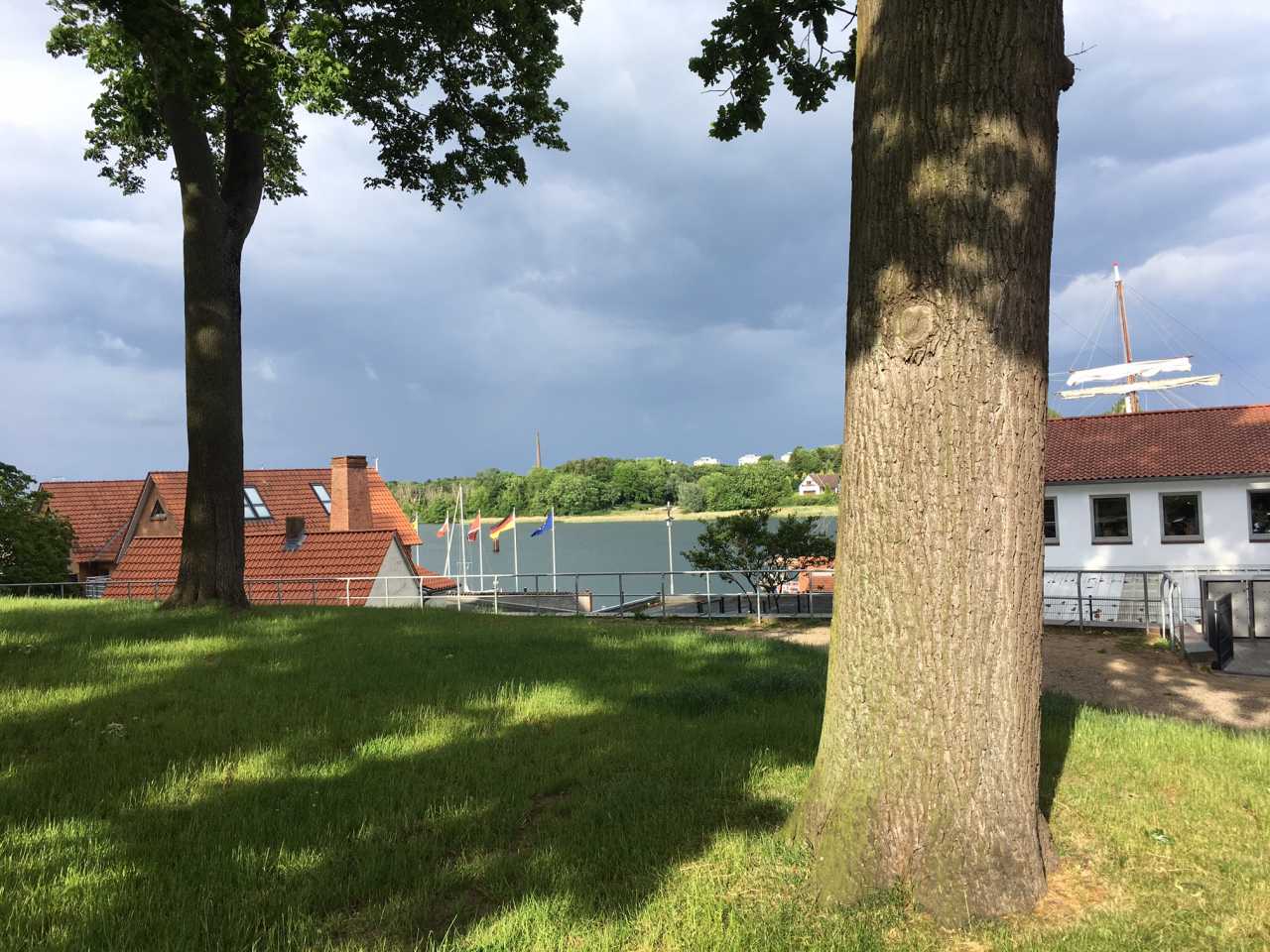
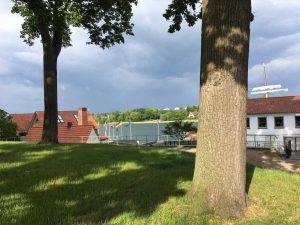
How can the age of a tree be approached using mathematics? This question addresses the current Task of the Week. It is placed in this form in Kappeln, but can be easily and quickly transferred to other places.


Task: Old Oak Tree (issue number: 1473)

How old is this oak tree? It is known that an oak with a diameter (in breast height) of 50 cm is about 110 years old.


In order to solve the problem, it is assumed that the growth of the oak is linear. This means that the average growth per year can be determined using the information in the text. Subsequently, the circumference in the height of the chest is measured and the diameter is determined by means of the relationship between the circumference and the diameter of a circle. This then leads to the age of the tree.

On the one hand, the problem can be classified in the geometric topic of the circle and, on the other hand, proportionality. If the relationship between the diameter and the circumference is already discussed at this time, the task can be used from class 6 onwards.

Task of the Week: Tank Filling

In today’s Task of the Week everything focuses on the geometrical body of a cylinder as well as the activities of measuring and modeling. The task is included in the Dillfeld Trail in Wetzlar. Task: Tank Filling (task number: 1098) Determine the capacity of the tank in liters. First of all, it is necessary to […]

Task of the Week

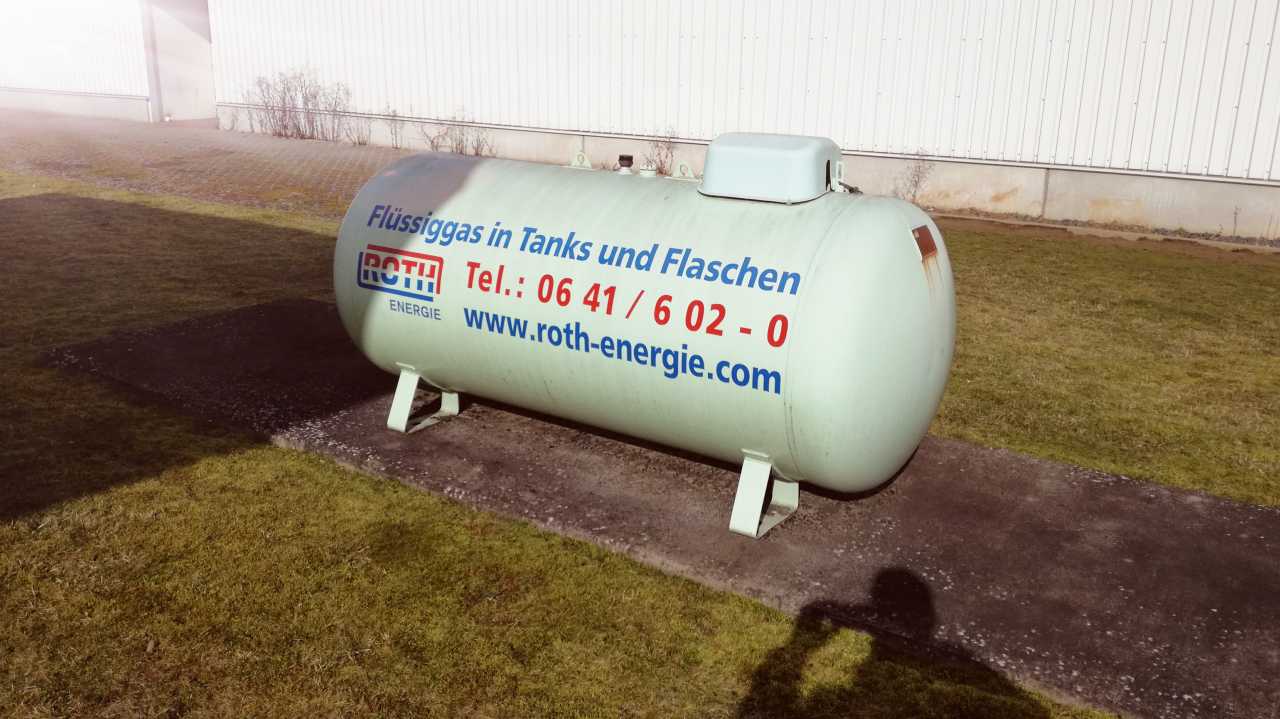
In today’s Task of the Week everything focuses on the geometrical body of a cylinder as well as the activities of measuring and modeling. The task is included in the Dillfeld Trail in Wetzlar.


Task: Tank Filling (task number: 1098)

Determine the capacity of the tank in liters.


First of all, it is necessary to recognize the object as a cylinder and to ignore minor deviations from the idealized body. The students then measure the necessary length. Since the result is to be expressed in liters, it is sufficient to record the data already at this point in decimetres. Subsequently, the capacity is determined by means of the volume formula for cylinders.

For the task, the students must have already gained experience with the geometrical body cylinder and its volume. The task is assigned to the spatial geometry and can be used from class 9 onwards.

Task of the Week: Mushroom

Today’s Task of the Week focuses a geometric question at the Aasee in Münster. More specifically, the surface content of a hemisphere is calculated by the students. Task: Mushroom (task number: 1400) Determine the area of ​​the mushroom. Give the result in dm². Round to one decimal. In order to solve the problem, the students have to […]

Task of the Week

Today’s Task of the Week focuses a geometric question at the Aasee in Münster. More specifically, the surface content of a hemisphere is calculated by the students.


Task: Mushroom (task number: 1400)

Determine the area of ​​the mushroom. Give the result in dm². Round to one decimal.


In order to solve the problem, the students have to approach and recognize the shape as a hemisphere. They then need the formula for the calculation of the spherical surface or here the hemispherical surface. For the determination, only the radius of the hemispheres is required. Since it can not be measured directly, this can be determined with help of the circumference.

The task requires knowledge of the circle and of the sphere and can therefore be applied from class 9 onwards.

Task of the Week: Flower Box

The present Task of the Week is about polygons and geometrical figures. In particular, the prism with a hexagonal base surface plays a role. The task can be found in this form in Cologne, but can be transferred to similar objects without problems. Task: Flower Box (task number: 1189) What is the volume of the […]

Task of the Week

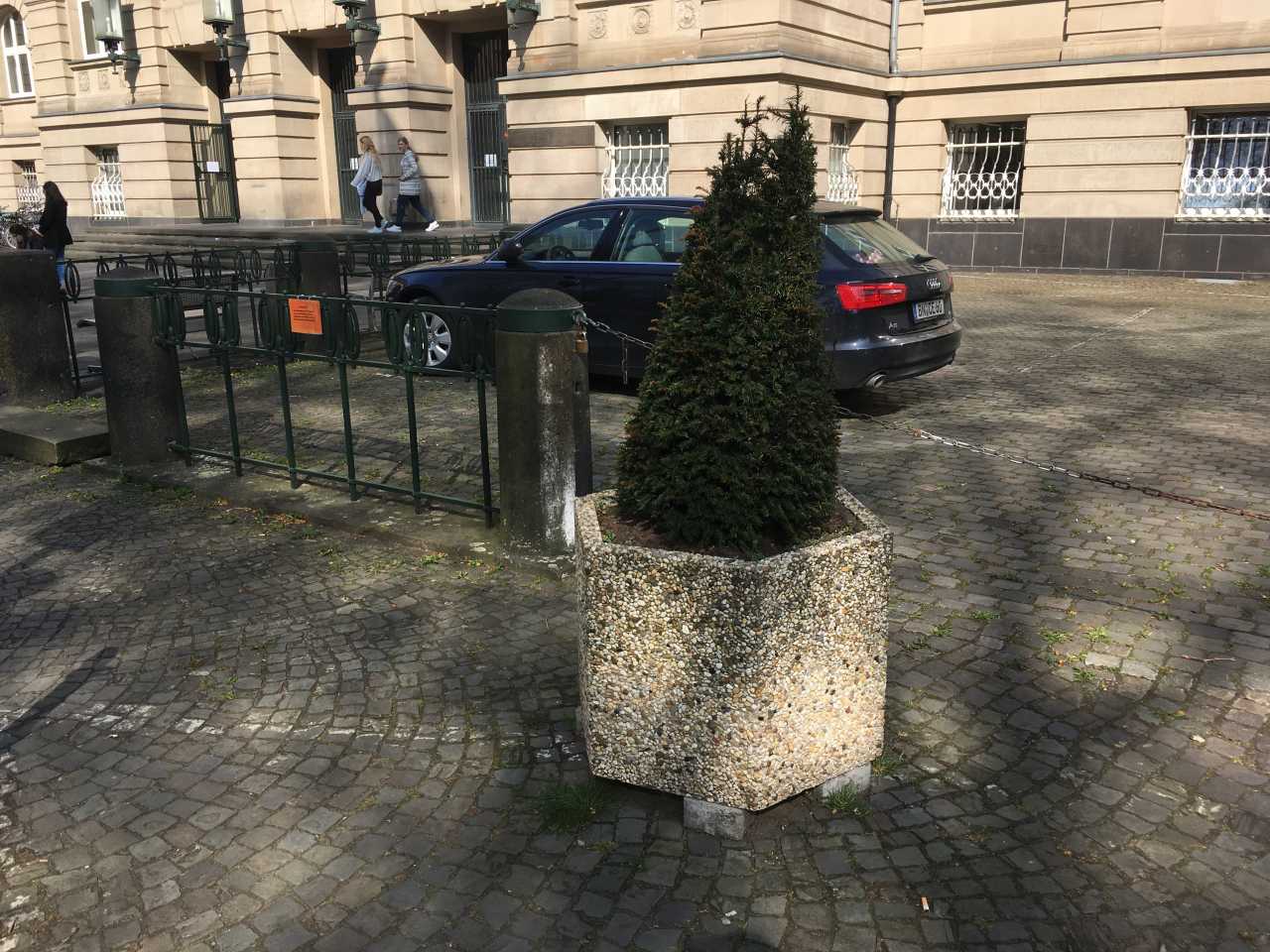
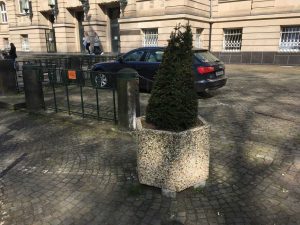
The present Task of the Week is about polygons and geometrical figures. In particular, the prism with a hexagonal base surface plays a role. The task can be found in this form in Cologne, but can be transferred to similar objects without problems.


Task: Flower Box (task number: 1189)

What is the volume of the flower box? You may assume that the floor is as thick as the edge of the box. Give the result in liters.


As already mentioned, the base area can be assumed to be a regular hexagon. To determine the area of ​​the base area, pupils can either use the formula for the area content of a regular hexagon or divide the area into suitable subspaces. They should note that the edge does not belong to the volume. The pupils then measure the height of the prism by subtracting the floor plate. Subsequently, the volume of the prism, which is converted into liters in the last step, is obtained by multiplication.

The task thus involves a geometric question, in which students can either apply their knowledge to regular polygons or to composite surfaces. In addition, spatial figures are discussed as well as the adaptation to real conditions by observing the edge. The task is recommended from grade 8 onwards.

Task of the Week: Cylinder on the Rhine

The present task of the week is about geometric figures. In the task “Cylinder on the Rhine”, located in Cologne, the aim is to determine the radius of a cylinder by means of measurements or the relationship between radius and circumference of a circle. Task: Cylinder on the Rhine (task number: 1183) Determine the radius of […]

Task of the Week

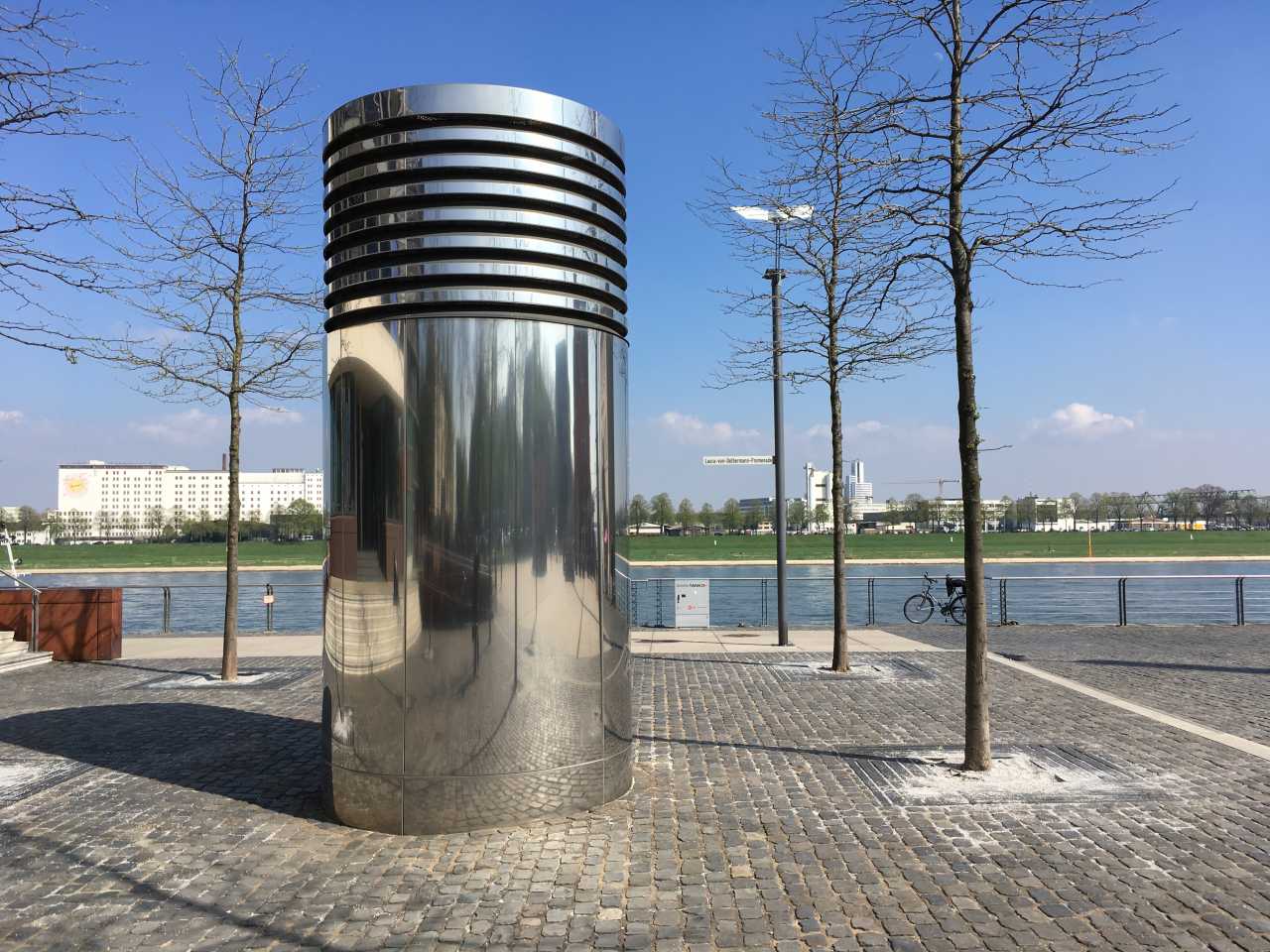
The present task of the week is about geometric figures. In the task “Cylinder on the Rhine”, located in Cologne, the aim is to determine the radius of a cylinder by means of measurements or the relationship between radius and circumference of a circle.


Task: Cylinder on the Rhine (task number: 1183)

Determine the radius of the cylinder. Give the result in m.


The task can be solved in different ways. One possibility is to use the relationship between the circumference of the circle and the diameter or radius. The result is then obtained by measuring the circumference. Alternatively, the radius can be determined by means of the inch post and suitable application (here the right angle plays a role). The task can therefore be classified into the topic circle, in particular the formula for the calculation of the circumference. The task shows that mathematical tasks can often be solved in various ways without calculation. Although the task does not require any profound knowledge of the cylinder (apart from the fact that the base is circular), it can be precisely in this aspect, and a connection of planar and spatial geometry can be made clear.

It can be used starting from class 9.

Task of the Week: Hydrant sought

The current “Task of the Week” is about the hydrant sign, which might have been noticed frequently in everyday life. By means of them, hydrants can be quickly and precisely located, e.g. for fire-fighting operations. But how exactly is such a sign read? With this question, the students are confronted in the task “Hydrant sought” from the trail “Campus Griebnitzsee” […]

Task of the Week

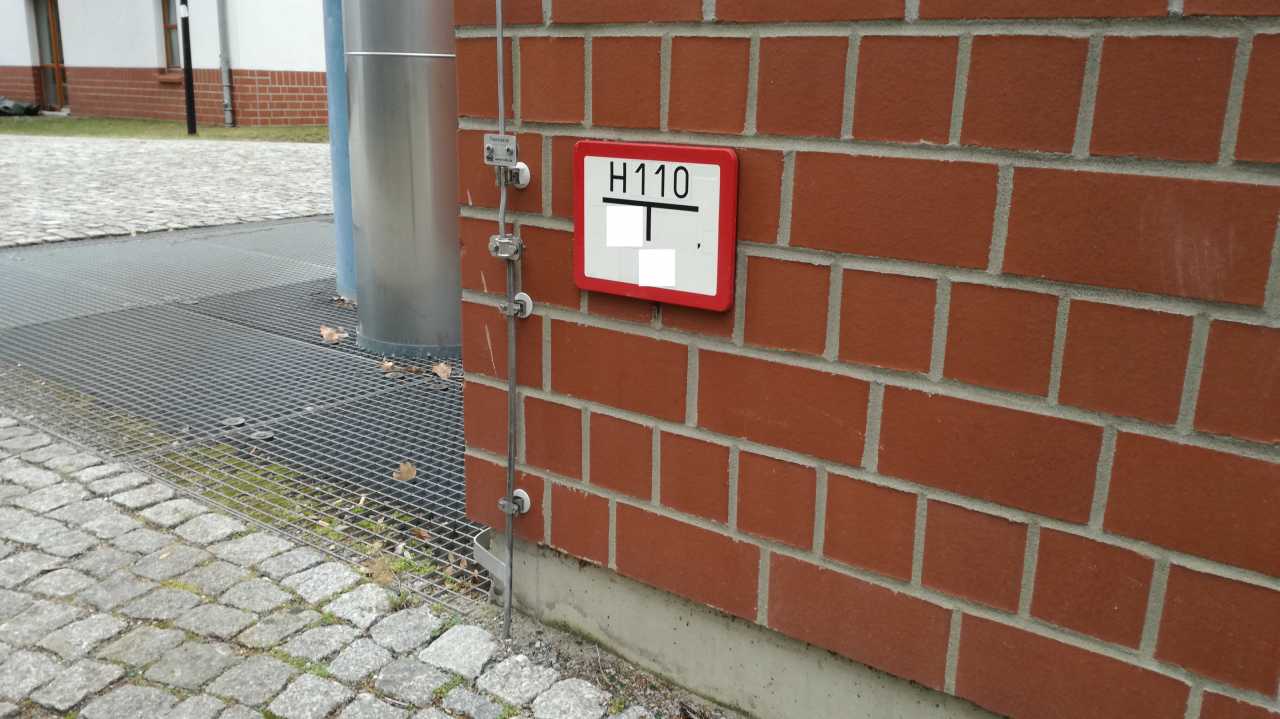
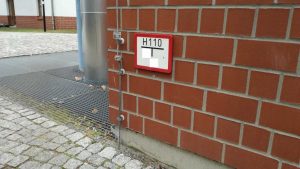
The current “Task of the Week” is about the hydrant sign, which might have been noticed frequently in everyday life. By means of them, hydrants can be quickly and precisely located, e.g. for fire-fighting operations. But how exactly is such a sign read? With this question, the students are confronted in the task “Hydrant sought” from the trail “Campus Griebnitzsee” in Potsdam.


Task: Hydrant sought (task number: 1047)

On the house is a reference to the next hydrant attached (red-white sign). How far is the hydrant from the sign in meters? Determine the result to the second decimal place. 


In order to solve the problem, the sign must at first be interpreted correctly. If the students do not know it, the hints help them. The indication on the sign is to be read so that one runs a certain length in meters in one direction (left/right) and then turns at right angles and again runs the length of the second number in meters. The situation can thus be described and solved using a right-angled triangle. The two indications on the hydrant sign (in the picture, they are made unrecognizable in order to ensure the presence of the pupils) are the cathets, while the direct distance corresponds with the hypotenuse. This can be determined by means of the Theorem of Pythagoras. Further, the solution can be determined and valued through measuring the distance to the hydrant. The problem is therefore to be assigned to geometry and can be used as a practical application for this from class 9 onwards with the development of the Theorem of Pythagoras. Since hydrant signs can be found in many places, the task can easily be transferred to other sites and allows mathematical operations in the environment in an easy way.