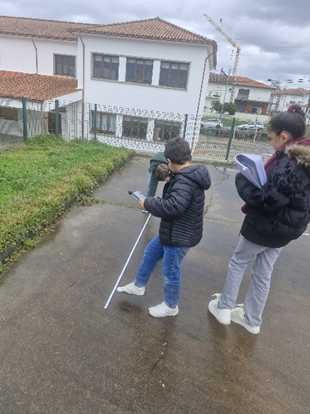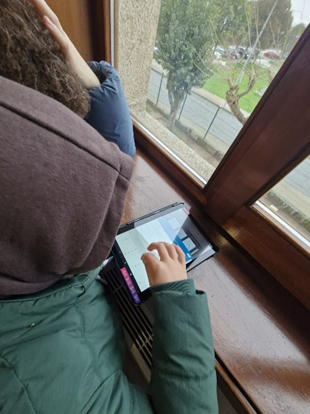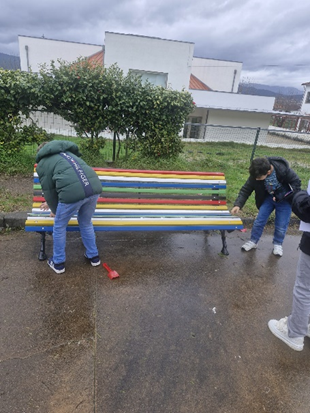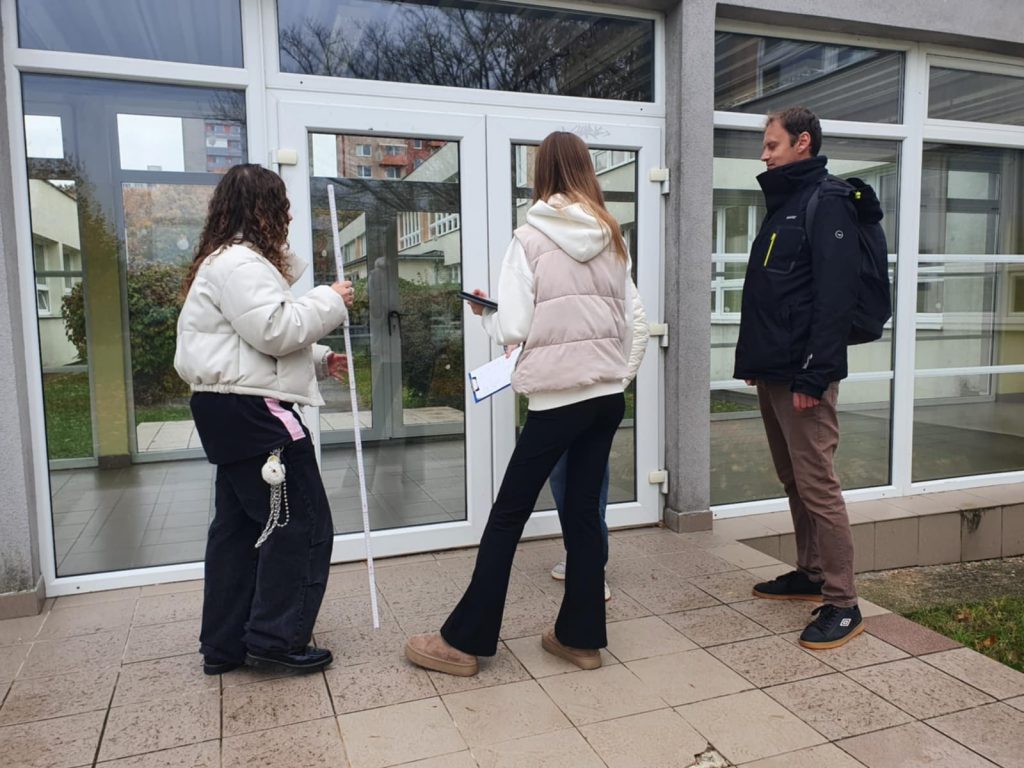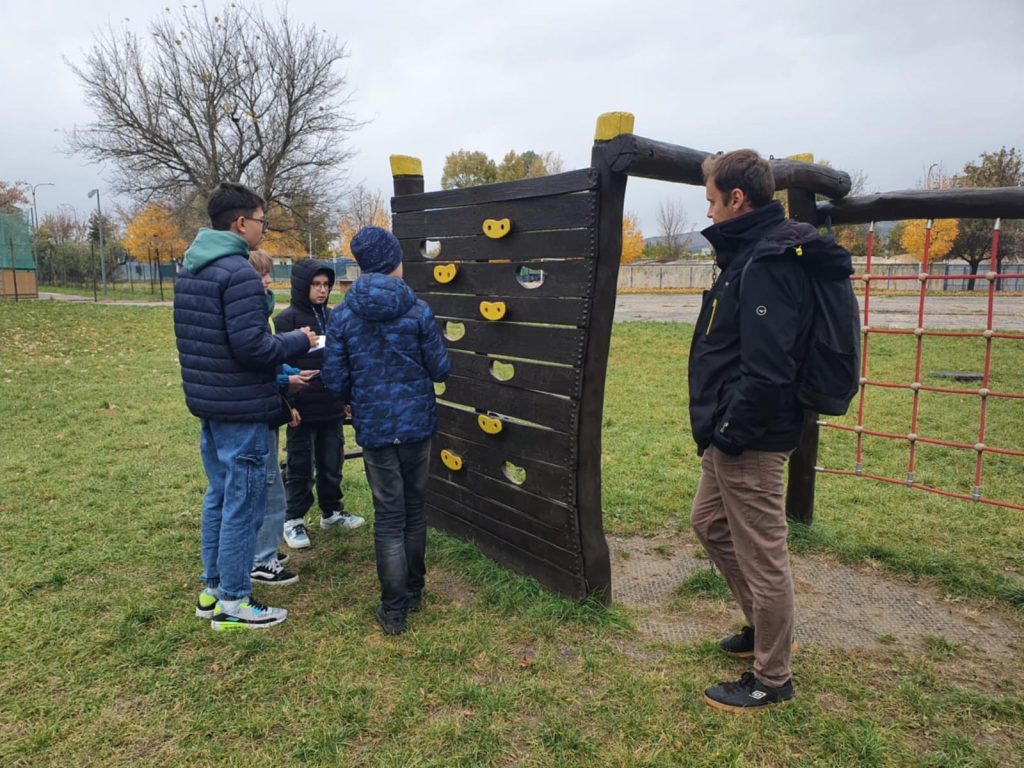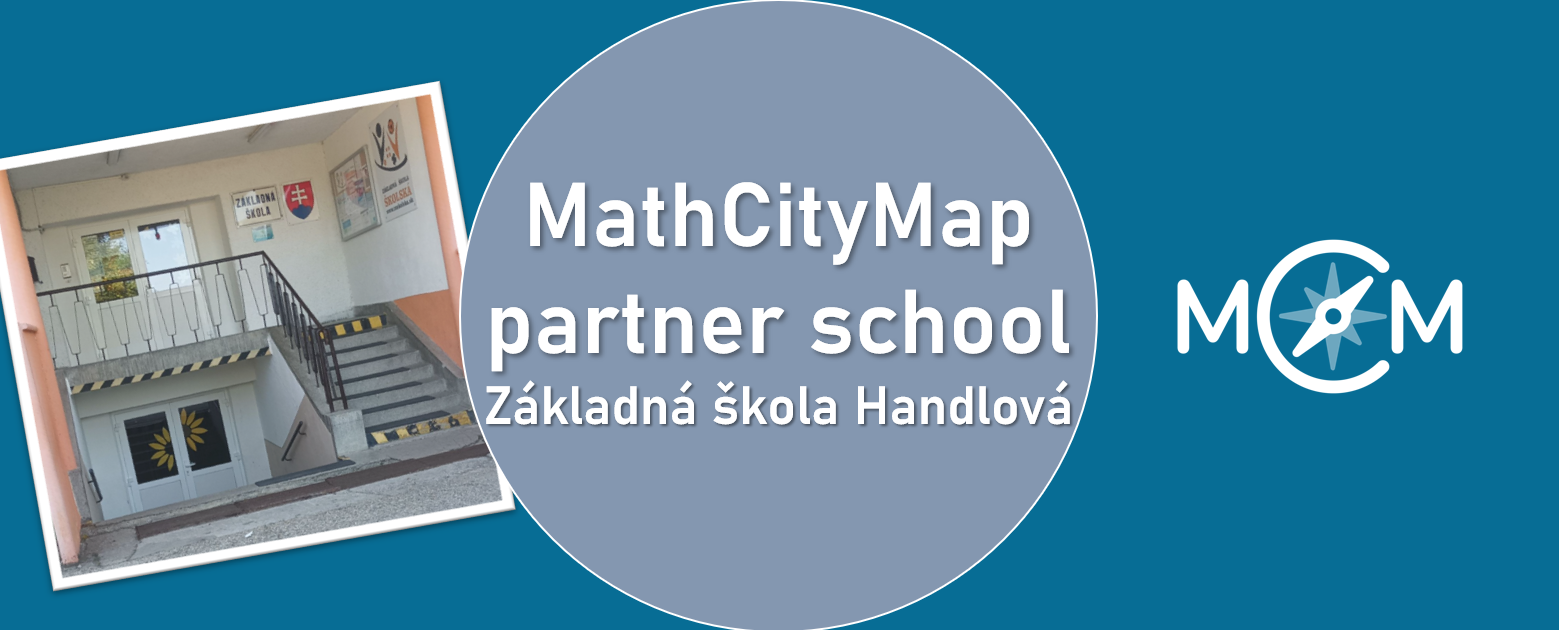
We are happy to announce ZŠ Nábrežná Kysucké Nové Mesto as our new MathCityMap Partner School! The Math and English teacher Valéria Kasajová told us about her and her colleagues’ experiences:

“We have been actively using MathCityMap in our mathematics lessons and project-based activities. Our students work with MathCityMap trails mainly during the special event – Saturday with Mathematics, where they solve real-life mathematical problems and explore their surroundings in a meaningful way. It has a long tradition, taking place in our school every last Saturday in November. 

So far, we have created and published several MathCityMap trails together with our students. These activities have helped us to increase students’ motivation, teamwork, and understanding of mathematics in real contexts.”

The published trails can be found via these codes:

•    4822265

•    3922662

•    4522663

Thank you for your enthusiasm and welcome to the MathCityMap partner school network!

The package with the official partner school badge and the MCM measuring instruments has already been delivered and we are looking forward to receiving more applications from all over the world.

All further information on the partner school programme and the requirements for application can be found both in the article on the first MCM partner school and on the homepage of our MaSCE³ project.
Dear MathCityMap community,

after selecting the winning schools for the International MathCityMap Meeting for students and teachers in Seville this summer, it is finally time to share these fantastic videos with everyone. Starting today, we will be publishing one winning video per week on our Instagram account.

Each of the selected videos shows in a creative way how students designed a Math Trail. Over the coming weeks, we would like to present and celebrate these great contributions one by one – so make sure to check back regularly!

Once again, we would like to sincerely thank all participating schools for their impressive submissions and we are very much looking forward to sharing the videos with you.

Your MathCityMap team

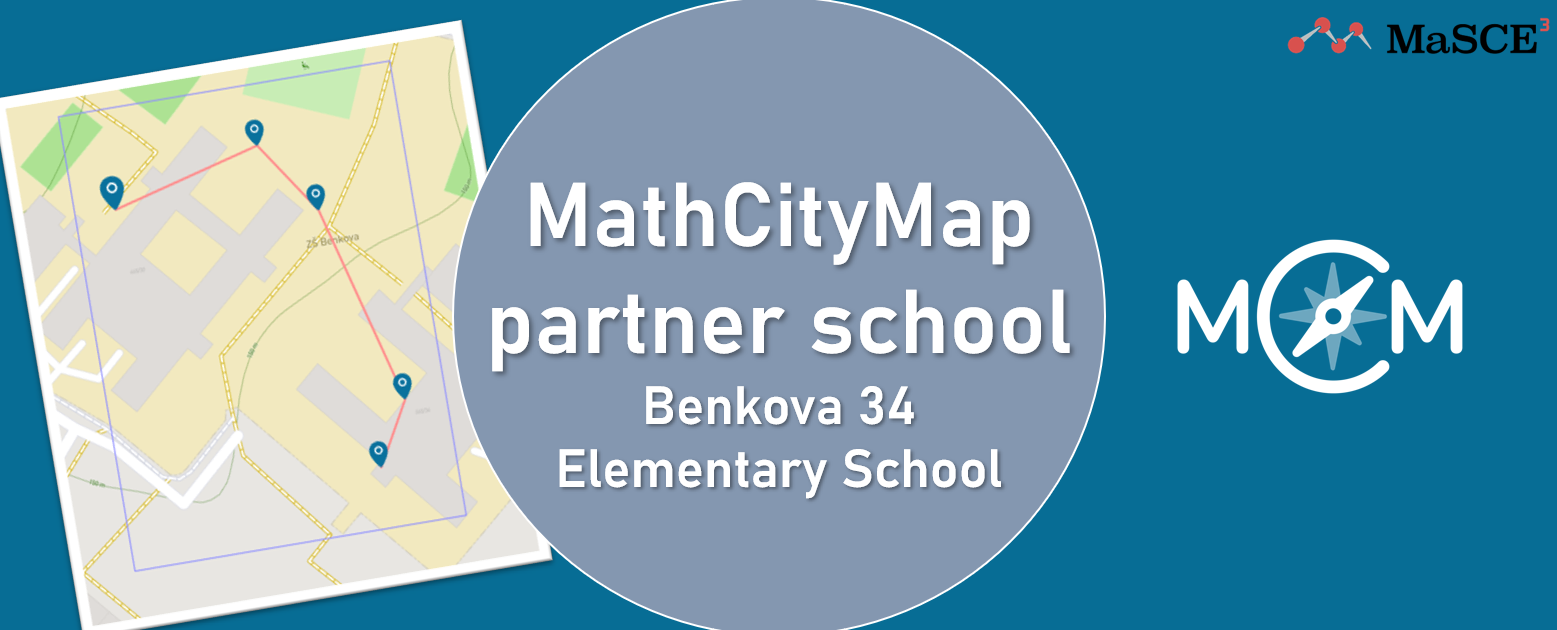
We Welcome another New Partner School from Slovakia!

We are happy to welcome the Benkova 34 Elementary School as our new MathCityMap partner school! The teacher Tomáš Kling reports his experiences:

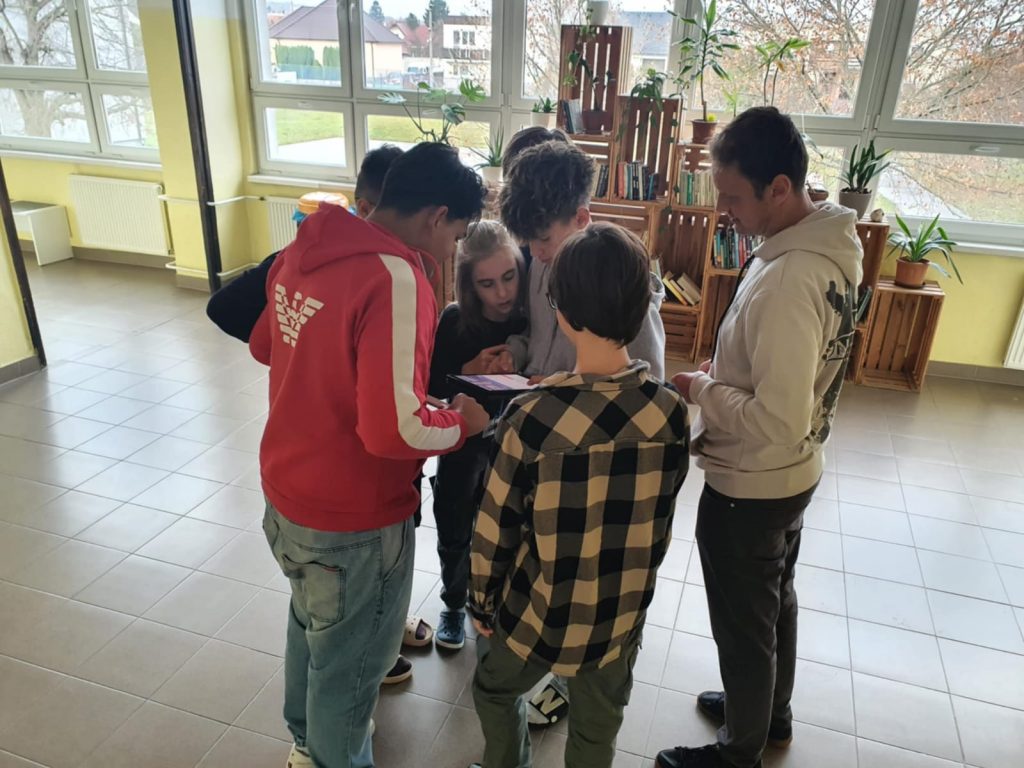
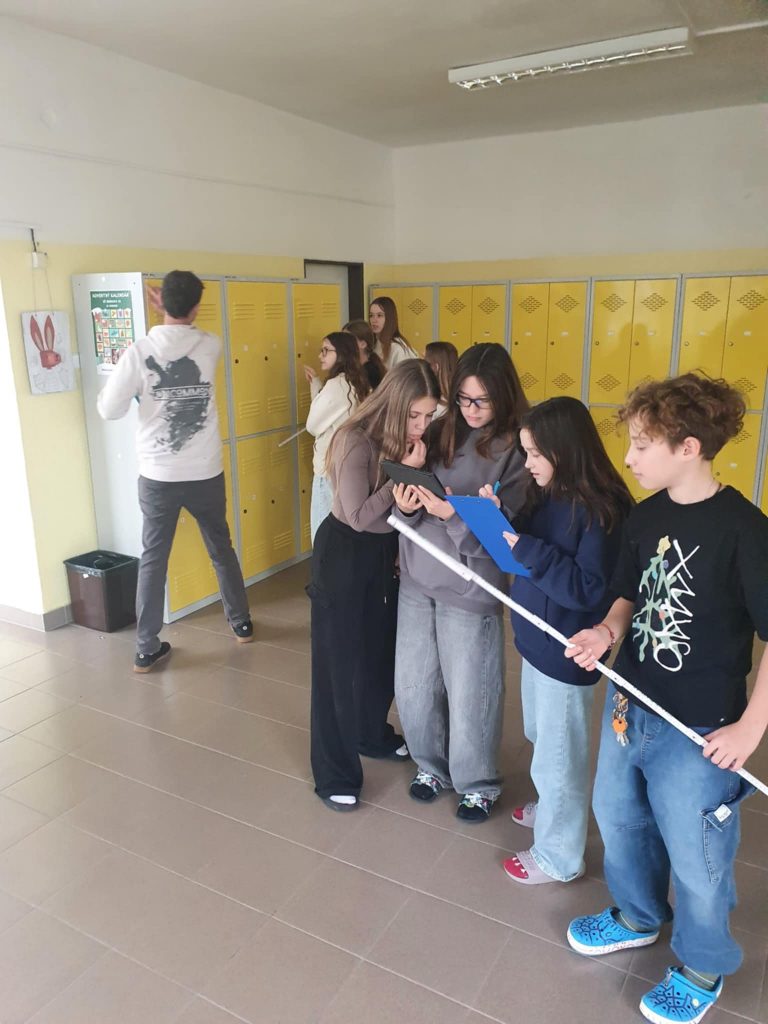
“We conducted one outdoor and two indoor math walks with the students of the seventh grade, each of which include five tasks. The students really enjoyed the tasks, learned how to use a folding ruler, and were able to connect their theoretical knowledge with practical measurements.

The lessons were fun and motivating for the students. We were even more pleased when, at the end of the lesson, we heard from a student who had successfully solved the problem that he enjoyed the lesson and that “at least they weren’t learning,” which we consider a sign that the learning took place naturally and experientially.”

The trails can be accessed via the following codes:
ZŠ Benkova, 7 ročník (Code: 6929692)
ZŠ Benkova, int. I 7 ročník (Code: 1530114)
ZŠ Benkova, Int, II, 7 ročník (Code: 2830250)

We are thankful for the engagement and are looking forward to continuing working together.

The package with the official partner school badge and the MCM measuring instruments is on its way and we are looking forward to receiving more applications from all over the world.

All further information on the partner school programme and the requirements for application can be found both in the article on the first MCM partner school and on the homepage of our MaSCE³ project.
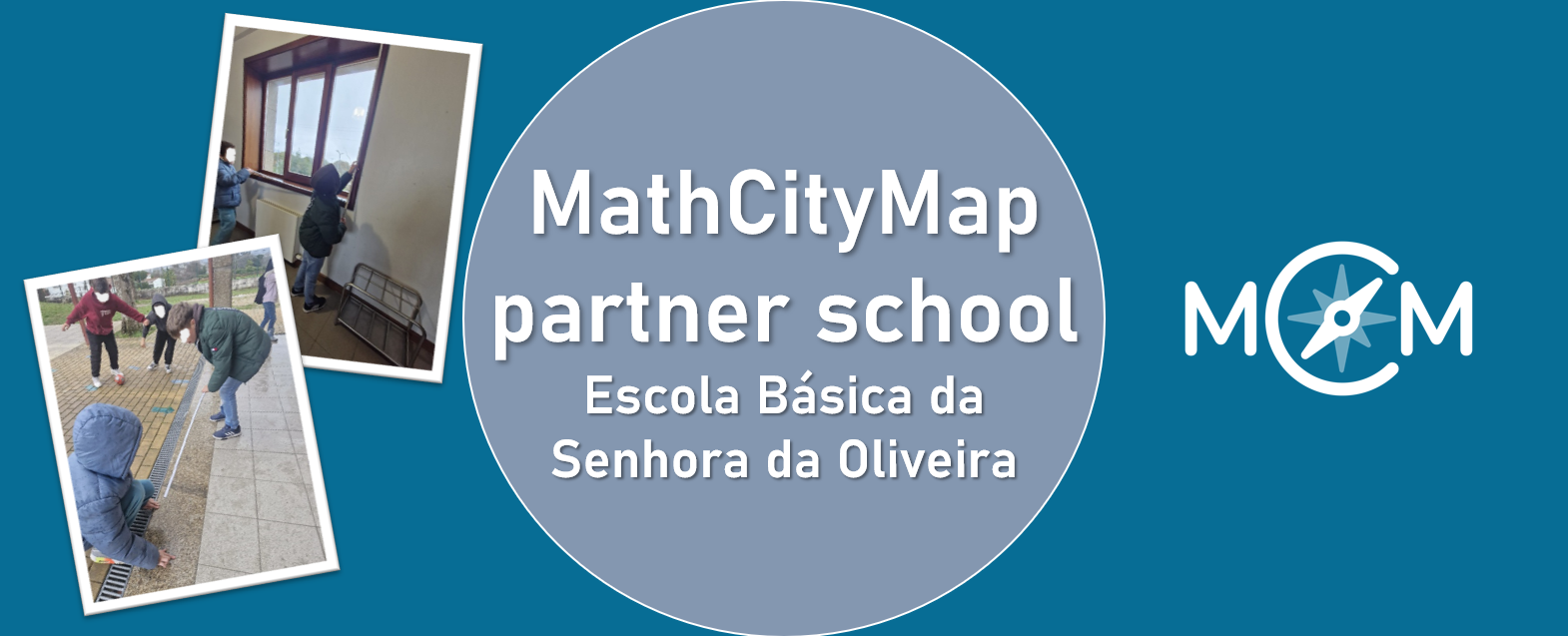
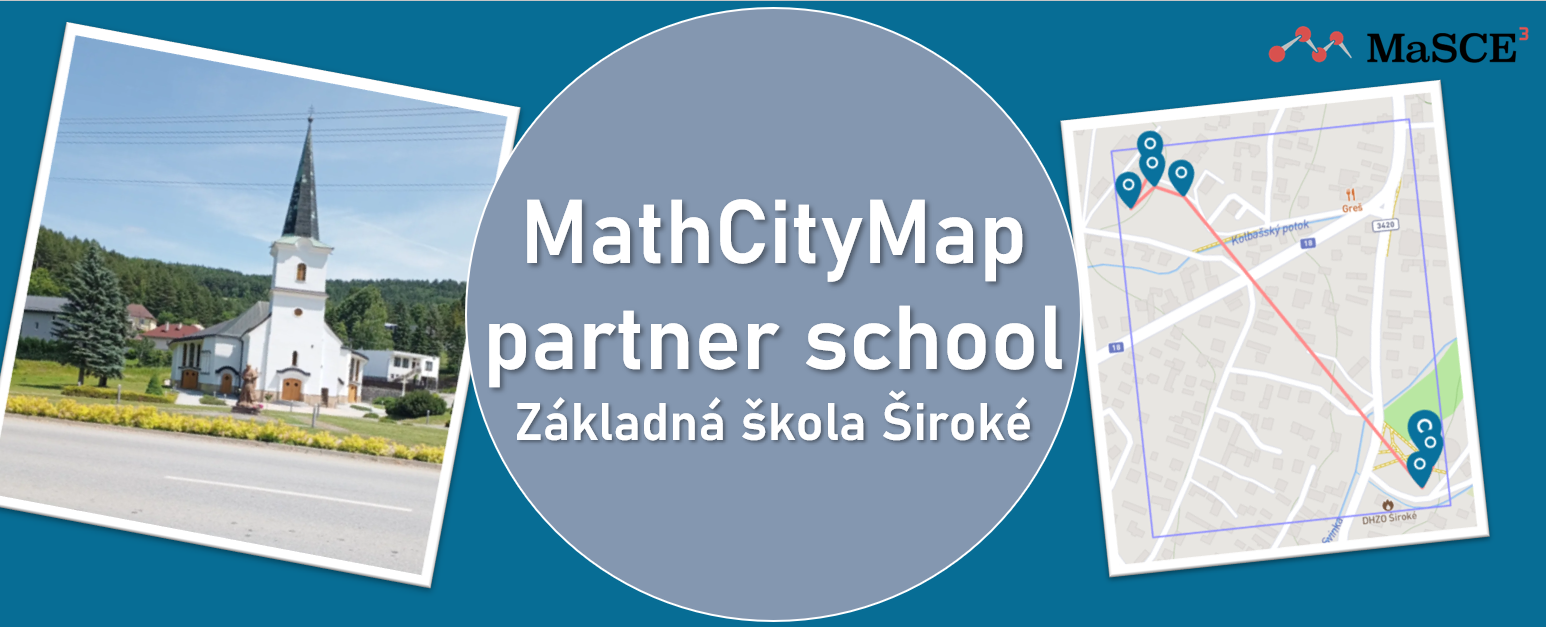
We warmly welcome Základná škola Široké as a new partner school of MathCityMap. We are very pleased about the cooperation and the great commitment of the teachers and students.

Three trails have already been created and published. They can be found in the portal under the following titles and codes:

ZŠ Široké – 3628200

ZŠ Široké 2 – 0428201

Široké – 3730018

Teacher Janka Papcunová reports:

“We created the tasks with the students in the schoolyard of our elementary school and in the community of Široké. They really enjoyed both creating the tasks and solving them. Everyone had a lot of fun.

Creating the tasks not only promoted mathematical thinking. It also promoted communication, consideration, and reasoning. We laughed a lot while creating and solving the tasks, and the lessons were very relaxed. Everyone liked that we weren’t in the classroom and didn’t have to sit down.

We also developed additional tasks for students in the lower grades. They were thrilled when they saw that their tasks were being solved by younger students and that they were enjoying it. Some even completed the trails on their own in their free time.”

The package with the official partner school badge and the MCM measuring instruments is on its way and we are looking forward to receiving more applications from all over the world.

All further information on the partner school programme and the requirements for application can be found both in the article on the first MCM partner school and on the homepage of our MaSCE³ project.
 

Dear MathCityMap Community,

At the end of the year, we would like to look back together with you on an eventful and successful MathCityMap year 2025.

A particularly exciting milestone: the MathCityMap community has once again grown significantly. Around 56,000 users are now using MathCityMap – as in the previous year, this is an increase of about 16,000 compared to the year before. We are very happy about this continuous growth. There has also been a lot of development in terms of content. The number of created tasks has risen to 122,000 – at this time last year, it was still just under 100,000.

2025 was also characterized by numerous workshops and teacher training sessions related to MathCityMap. Many of these were organized by our dedicated partners. In addition, we were present with MathCityMap booths at various events, where we were able to engage directly with teachers, learners, and interested participants.

As part of our Erasmus+ project MATRIX (Math Trails with an Inclusive Perspective on Students Experiences), we were able to implement important new features this year. The read-aloud function and the translation function help to make MathCityMap even more inclusive and to facilitate access for as many learners as possible. With our Content Gallery, we now have a place where we can collect high-quality and diverse public tasks, serving as inspiration for everyone who wants to create new tasks.

Our network continues to grow as well: we were able to gain several new partner schools again and are now working with almost 80 partner schools. This close collaboration is a central building block for the further development of MathCityMap and for the exchange of ideas and experiences from practice.

We are very happy about these impressive developments and the great cooperation with our partner schools as well as our engaged community. Thank you for your interest, your ideas, and your enthusiasm in discovering mathematics in new ways together with us and passing this on. Together, we open up a different perspective on mathematics for many learners and create positive change step by step. Without our amazing users, none of this would be possible – for that, we say from the bottom of our hearts: thank you!

At the end of the year, we wish you and your families happy holidays, a merry Christmas, and a great start to the new year 2026. We are already looking forward to discovering exciting and creative MathCityMap tasks together with you and many new members around the world in the coming year.

Your MathCityMap Team

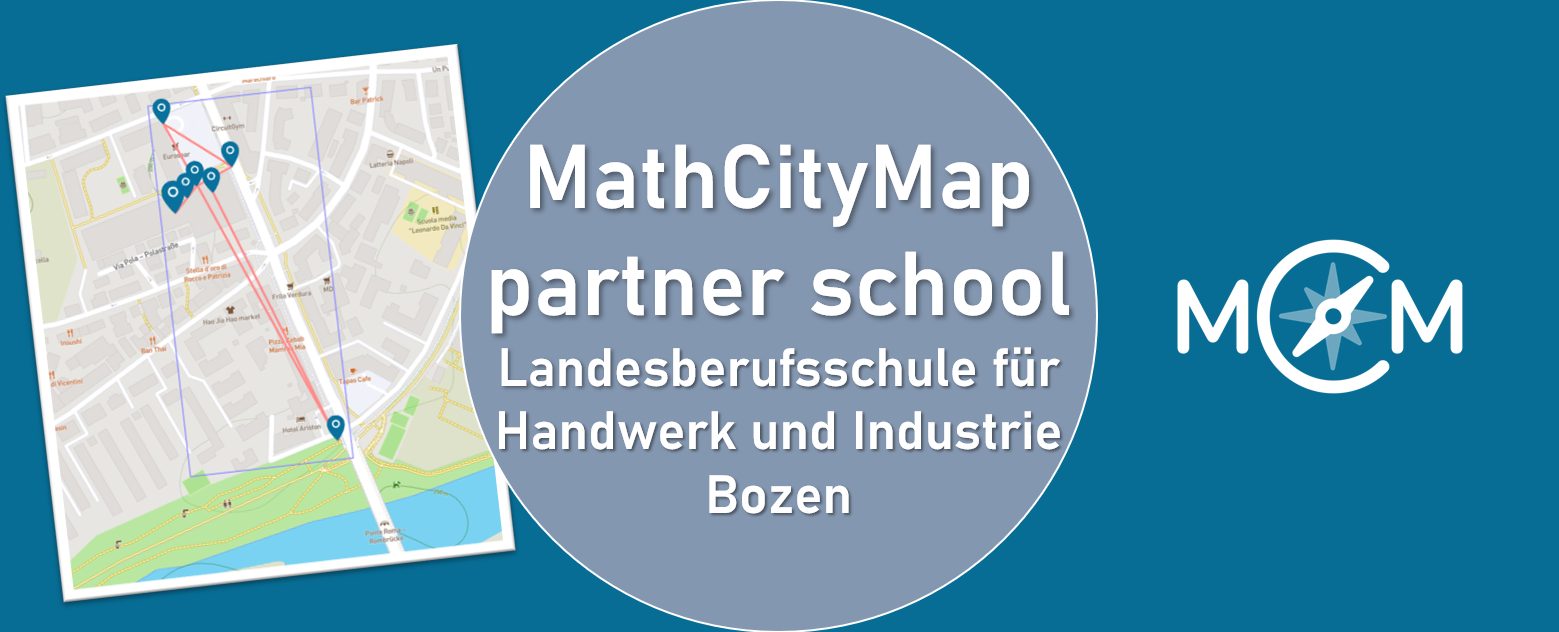
We are very pleased to welcome the Landesberufsschule für Handwerk und Industrie Bozen as a new MathCityMap partner school. After the school’s teachers participated in a MathCityMap training in 2024, the school has now officially published its first two trails:

The feedback from the students has been very positive. Designed as small outdoor learning activities, the trails offer a welcome change from regular classroom lessons. The spacious area in front of the school and the nearby river provide a pleasant outdoor learning environment.

The trails were carried out with two fourth-year classes from the technical school for computer science as well as a basic vocational class. Equipped with the necessary tools, the groups were able to work independently, with occasional input from the teachers when needed. One important takeaway: a short briefing in the classroom makes the on-site activities run much more smoothly.

Thanks to the frequent double lessons, the trails with their seven tasks can easily be completed within one teaching unit – including travel time there and back.

We thank the Landesberufsschule für Handwerk und Industrie Bozen for their commitment and warmly welcome them to the MathCityMap community!

The package with the official partner school badge and the MCM measuring instruments is on its way and we are looking forward to receiving more applications from all over the world.

All further information on the partner school programme and the requirements for application can be found both in the article on the first MCM partner school and on the homepage of our MaSCE³ project.

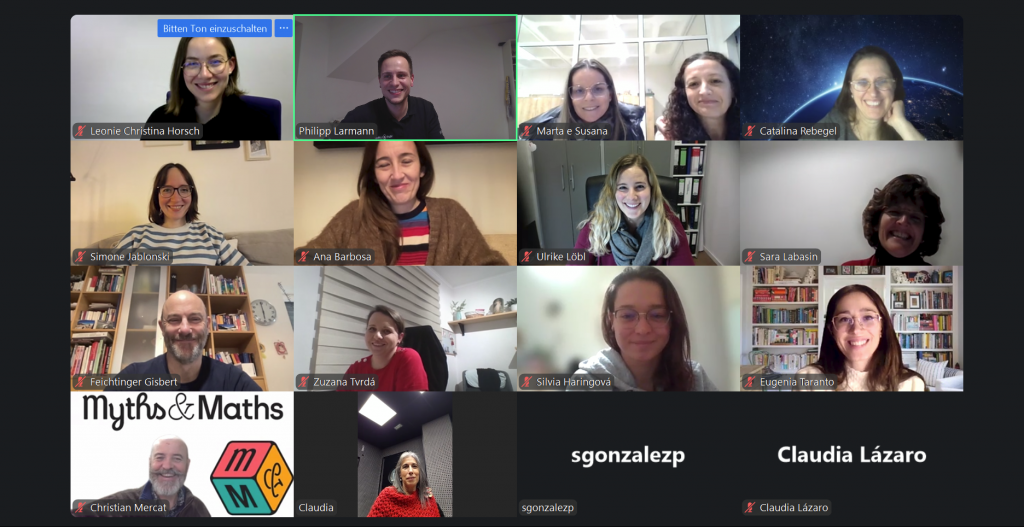
On Thursday, December 4th, our third MathCityMap Partner School Meeting took place – once again a very enriching exchange on the use of MathCityMap in the classroom.

This time, the focus was on our new feature, the student accounts. With them, students can independently create their own MCM tasks and thus further develop their problem-solving and problem-posing skills. After an overview of other recent MCM updates and a short introduction, there was a hands-on phase during which participants could try out the new feature directly.

The meeting was attended by part of the MCM team, several project partners, and numerous teachers from Slovakia, Portugal, Spain, Germany, and Italy. Participants took the opportunity to ask many questions. We were particularly pleased with the positive feedback and the valuable suggestions for improvement, which will now be incorporated into the further development of the system.

At the end of the online meeting, we took a group photo to capture this successful event.

We would like to thank all participants and are already looking forward to the next meeting!

Portal web na aplicação

O portal MathCityMap também pode ser utilizado diretamente através da aplicação. Isto permite-lhe aceder e gerir conteúdos criados, tais como tarefas e trilhos. Aqui está um guia passo a passo para aceder e utilizar o portal na aplicação:

Passo 1 – Abrir o portal da Web

Para poder utilizar o portal web na aplicação, deve primeiro ativar a opção de gestão nas definições.

Em seguida, pode clicar no campo «Gerir trilhos» na página inicial. O portal web e uma janela de login serão abertos.  

Passo 2 – Inicie sessão no portal da Web

Se já tem uma conta no portal MathCityMap, pode iniciar sessão diretamente.

Caso contrário, pode registar-se.

Também pode continuar sem iniciar sessão, mas nesse caso não poderá utilizar todas as funções do portal.

Passo 3 – Funções do portal web

Pode utilizar o portal web através da aplicação da mesma forma que o faz através do navegador. Apenas a visualização é ligeiramente diferente quando utiliza o smartphone.

Aqui encontrará os campos do menu em forma de lista e pode mudar para a visualização do mapa clicando no símbolo do mapa no canto inferior direito.

Também pode voltar à visualização do menu clicando no ícone da lista.

Passo 4 – Gerir conteúdo

Ao contrário do que acontece quando utiliza o portal web num tablet ou computador portátil no navegador, encontrará as várias opções de gestão do seu conteúdo nos três pontos no canto superior esquerdo, se tiver clicado numa tarefa, num trilho ou num grupo.

Passo 5 – Sair do portal da Web

Pode voltar às várias funções da aplicação clicando num dos símbolos no campo azul inferior.

O ícone da casa representa a página inicial da aplicação, o ícone de localização representa a pesquisa de trilhos e o ícone de download representa os trilhos guardados.

Mais Tutoriais

Gerir a sala de aula digital

A sala de aula digital oferece muitas possibilidades. Aqui, aprenderá a observar, gerir e apoiar a sua sala de aula digital ao vivo durante, antes ou depois do trilho matemático.

Passo 1 – Mudar para a vista de observação

Abra o trilho para o qual criou a sua sala de aula digital e clique no ícone correspondente.

Dependendo de quando quiser abrir a visualização da sala de aula digital, encontrará a sua sala de aula digital em «Em curso», «Próximas» ou «Concluídas».

Clique na sala de aula digital desejada para abrir a visualização de observação.

Passo 2 – Visão geral na vista de observação «Em curso»

Na parte superior da janela, pode ver quantos minutos faltam, ou seja, quando a aula digital terminará automaticamente.

A visualização mostra uma lista de todos os grupos aos quais se juntou, com nomes, estado e pontos no lado esquerdo. O número após a hashtag indica a ordem em que os grupos se juntaram. O grupo com mais pontos está sempre no topo da lista.

Para cada grupo, pode ver campos redondos que representam as diferentes tarefas. Um campo branco significa que a tarefa ainda não foi visualizada. Azul significa que a tarefa acabou de ser aberta. Vermelho, amarelo e verde representam tarefas incorretas, satisfatórias ou bem resolvidas. Um campo cinzento significa que este grupo ignorou a tarefa.

Ao clicar num grupo, acederá ao chat. Aqui, pode comunicar com os participantes através de mensagens, notas de voz ou imagens ao longo da sessão. Em «Eventos», pode ver como os alunos estão a progredir — por exemplo, se utilizam dicas e se precisam de várias tentativas para resolver uma tarefa.

No lado direito da tela, há um mapa que mostra as tarefas e os grupos participantes (desde que ativem o GPS). Através de numeração e codificação por cores, os grupos no mapa podem ser facilmente encontrados novamente na lista.

Passo 3 – Funções adicionais em «Em curso»

No canto superior direito, há um ícone de chat. Ao clicar nele, pode enviar uma mensagem para todos os participantes de uma só vez. Use isso, por exemplo, para dicas relacionadas ao tempo.

Em «Definições», pode, por exemplo, prolongar a duração da sessão ou ajustar a sua visualização. Também encontrará algumas informações sobre a sua sala de aula digital.

Em «Eventos», pode ver todas as ações dos grupos aos quais aderiu. Para uma visualização mais compacta, selecione grupos individuais e, em seguida, aceda a «Eventos».

Para remover membros, clique no grupo correspondente e, em seguida, clique no X no canto superior direito. Confirme a ação com «OK».

Passo 4 – Gerir as próximas salas de aula digitais

Até 30 minutos antes do início da sessão, pode ajustar as configurações da sua sala de aula digital.

As mesmas configurações podem ser editadas como ao criar a sala de aula digital.

Durante a sessão e nos 30 minutos que a antecedem, não é possível fazer edições.

Passo 5 – Gerir salas de aula digitais concluídas

Até 6 meses após a sessão, os dados recolhidos da sala de aula digital ainda podem ser visualizados.

Por exemplo, pode obter informações sobre quais tarefas foram fáceis para os alunos e quais podem ter causado problemas com mais frequência. Isso pode ser discutido novamente durante uma sessão de revisão conjunta.

Mais Tutoriais

Crie uma sala de aula digital

No portal MathCityMap, é possível criar uma sala de aula digital para um trilho matemático, oferecendo ferramentas organizacionais e educativas. Aqui encontrará um guia passo a passo para criar uma sala de aula digital:

Passo 1 – Selecione um trilho existente

Para selecionar um percurso existente, clique no campo «Trilhos – Criar e gerir». Também pode clicar em «Trilhos» na barra de menus à esquerda.

Uma vista com os seus trilhos será aberta. Clique no trilho desejado para abrir a vista detalhada.

Também pode criar uma sala de aula digital com trilhos públicos. Clique no trilho desejado para abrir a visualização detalhada.

Passo 2 – Mude para a área “Sala de aula digital”

No canto superior esquerdo, verá um ícone que mostra uma figura em frente a um quadro negro. Clique nele para abrir a secção da sala de aula digital.

Aqui, você verá uma visão geral das salas de aula já criadas (se houver), bem como um botão «Novo» para criar uma nova sala de aula digital.

Passo 3 – Crie uma nova sala de aula digital

Depois de clicar em «Novo», o editor da sala de aula digital será aberto.

Primeiro, preencha as informações gerais: o nome da sala de aula digital será exibido aos alunos no aplicativo, selecione a data e a hora da sessão (os alunos podem entrar 30 minutos antes do início) e defina a duração da sala de aula digital (após o tempo expirar, a sessão será encerrada para todos os participantes).

Você também pode escrever uma mensagem de boas-vindas e despedida. Elas serão exibidas a todos os participantes no início e no final ou ao sair da sessão.

Nas definições, pode ativar ou desativar a tabela de classificação. A tabela de classificação é uma lista de classificação local e mostra a pontuação da sua equipa, bem como a pontuação da equipa à frente e da equipa atrás.

Com o recurso de atribuição automática de tarefas, pode controlar se todos os participantes devem começar com a mesma tarefa ou se devem primeiro se distribuir entre as tarefas.

Clique em «Criar» para guardar as definições. A sala de aula digital aparecerá então em «Em curso» ou «Próximas», dependendo da hora de início. Entre parênteses retos, encontrará o código associado, que começa por «s». Partilhe-o com os seus alunos para que possam entrar na sala de aula digital.

Mais Tutoriais