Let Students Pose the Problems: Active Learning with MathCityMap

This 90-minute online teacher training was developed within the framework of the Erasmus+ project MATRIX and will take place on 10 March 2026 from 3:30 to 5:00 pm (CET) in English via Zoom.

It is aimed at teachers of all educational levels who already use MathCityMap and would like to involve their students more actively in the design of outdoor mathematics tasks. The focus will be on the concept of problem posing as well as a hands-on introduction to MathCityMap student accounts, including the teacher and student views and peer-review features.

In addition to concrete ideas for classroom implementation, the training offers opportunities for international exchange and joint discussion.

Registration is possible until 2 March 2026 by email to Simone Jablonski (simone.jabloski@uni-paderborn.de).

All important information can also be found in the flyer.

We Welcome another New Partner School from Slovakia!

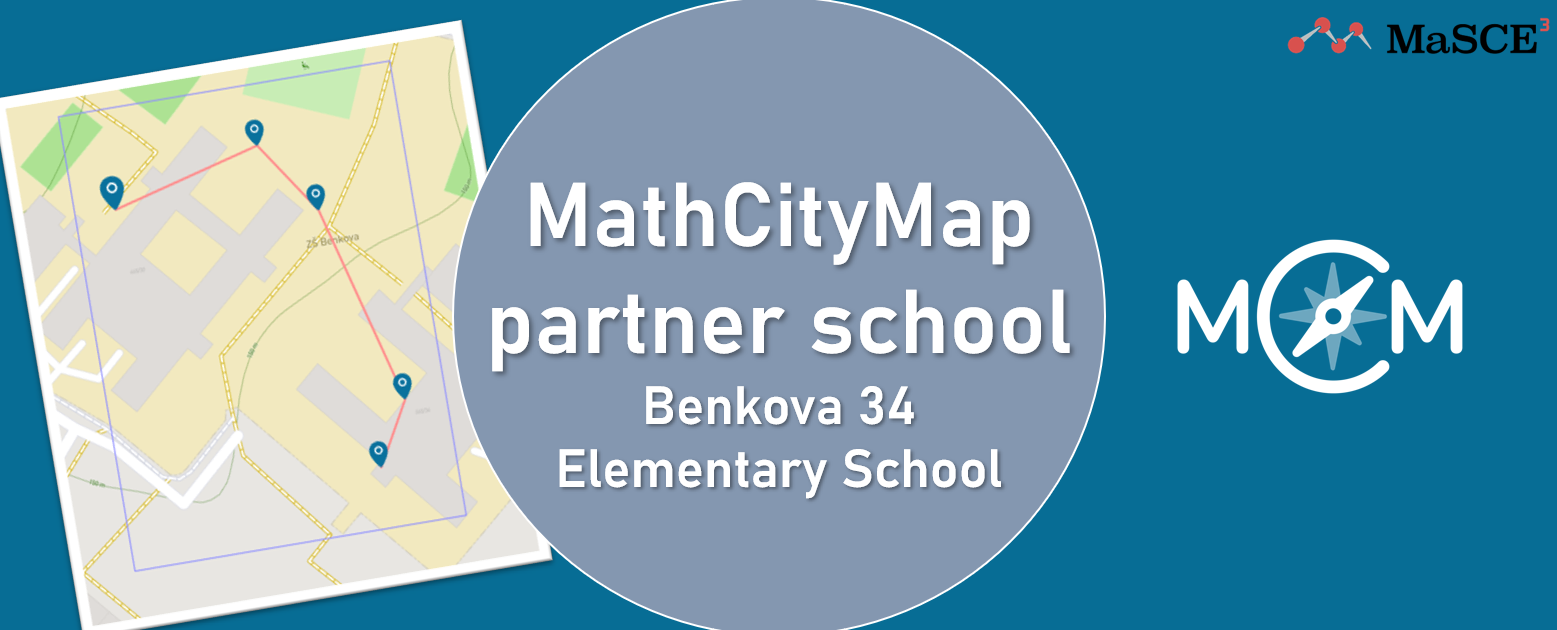
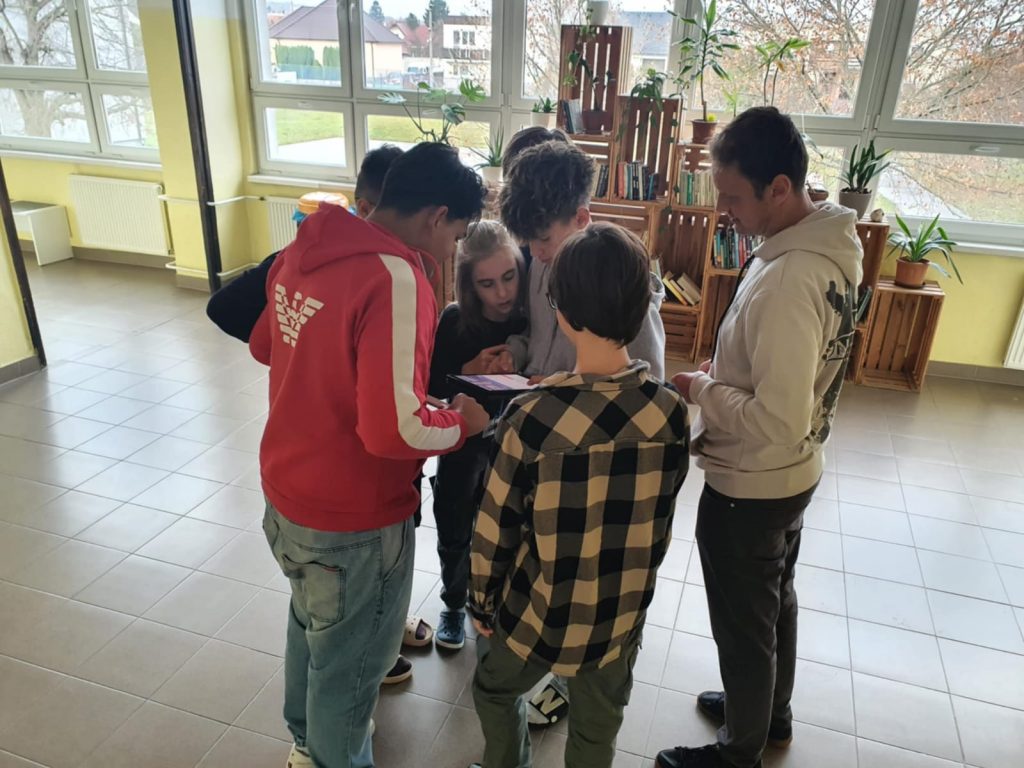
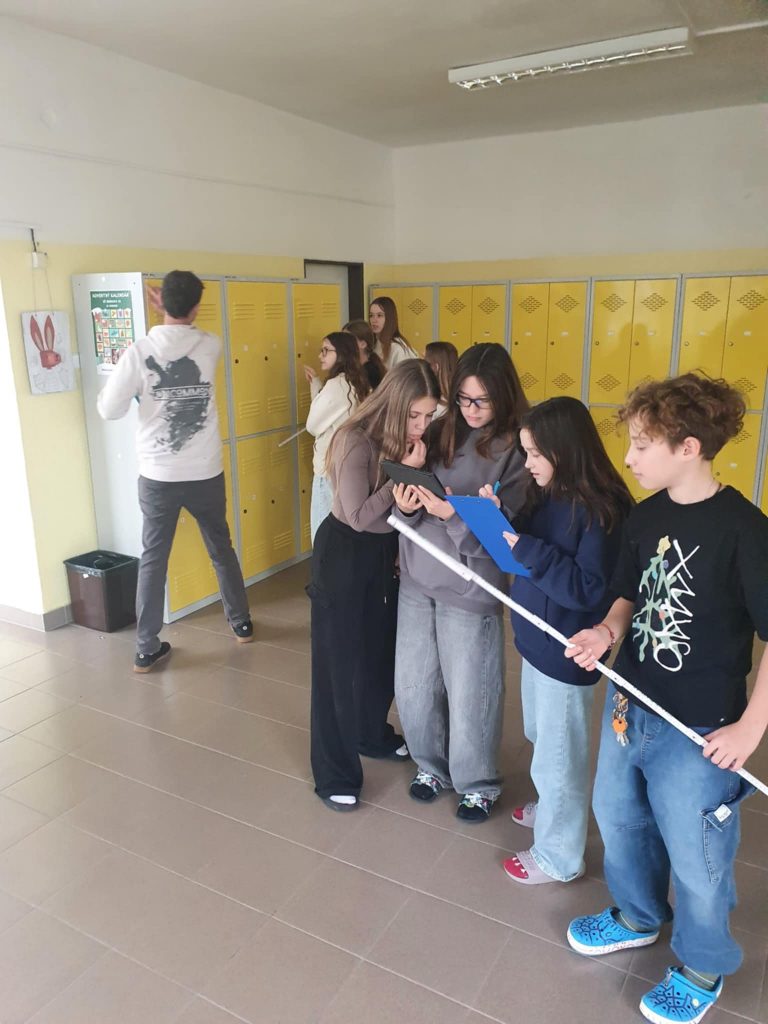
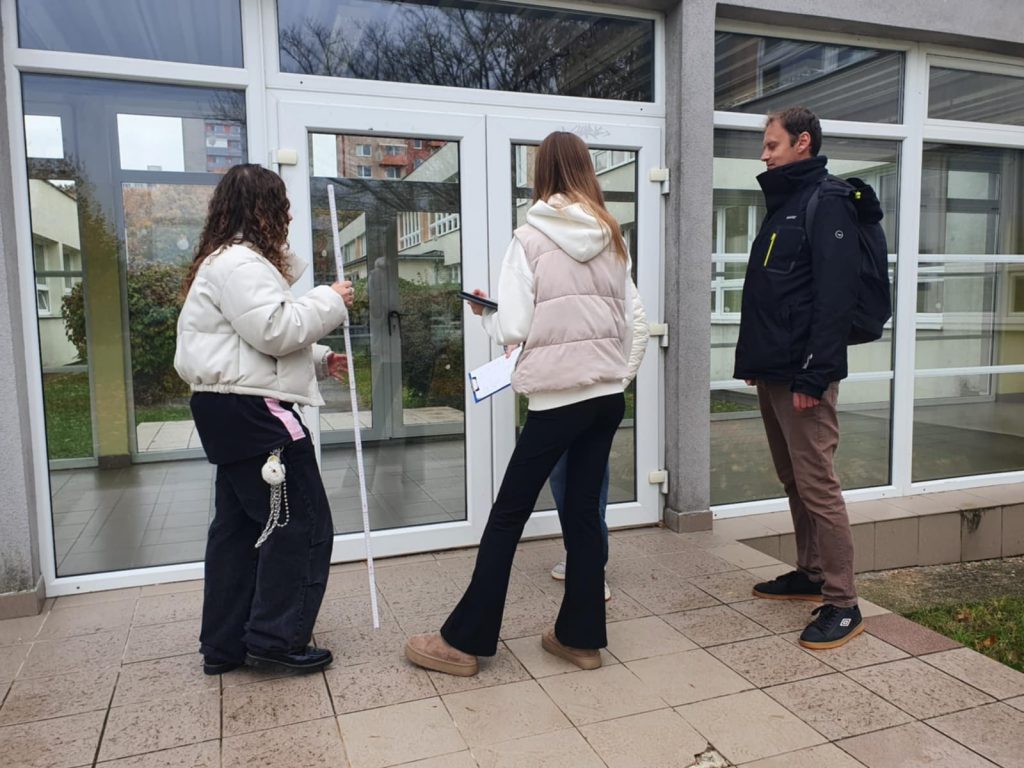
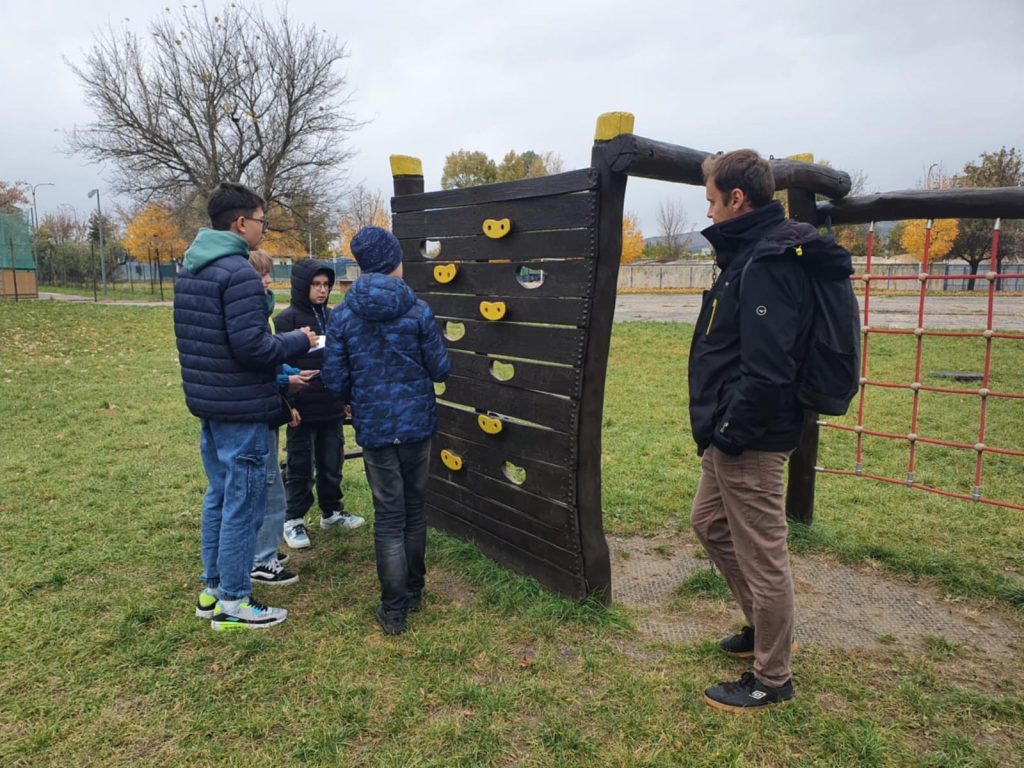
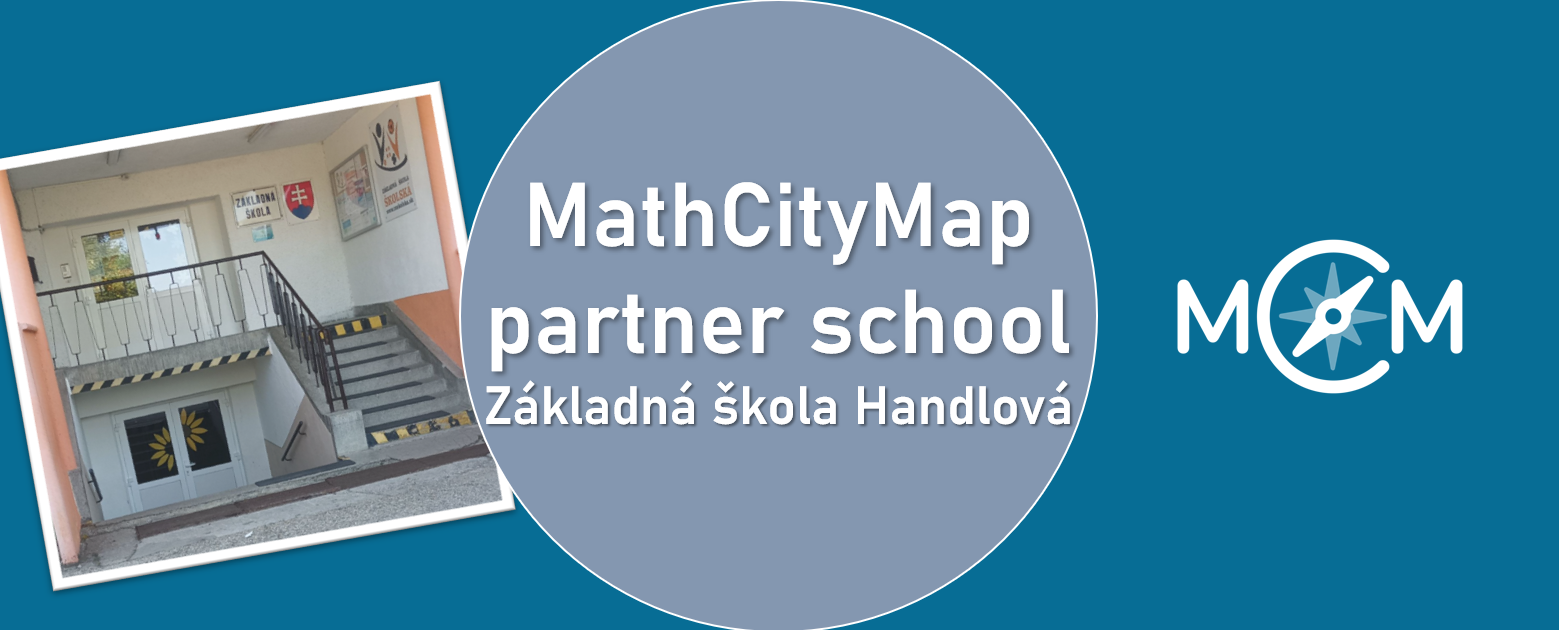
We are happy to welcome the Benkova 34 Elementary School as our new MathCityMap partner school! The teacher Tomáš Kling reports his experiences:

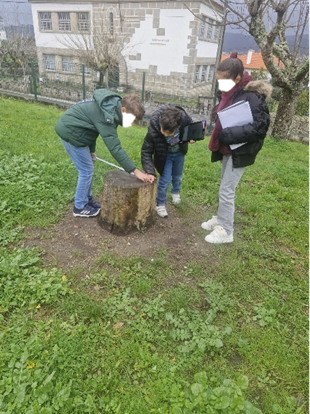
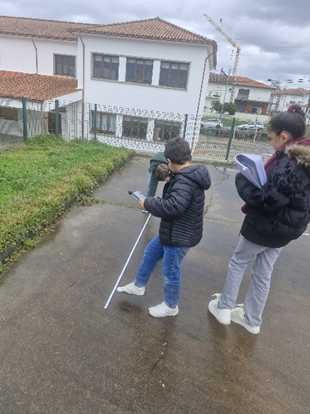
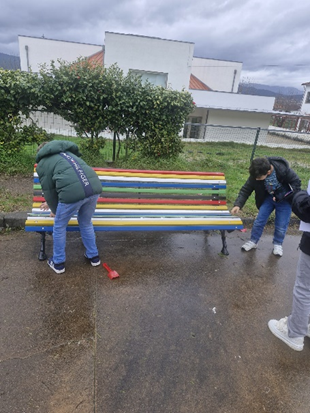
«We conducted one outdoor and two indoor math walks with the students of the seventh grade, each of which include five tasks. The students really enjoyed the tasks, learned how to use a folding ruler, and were able to connect their theoretical knowledge with practical measurements.

The lessons were fun and motivating for the students. We were even more pleased when, at the end of the lesson, we heard from a student who had successfully solved the problem that he enjoyed the lesson and that «at least they weren’t learning,» which we consider a sign that the learning took place naturally and experientially.»

The trails can be accessed via the following codes:
ZŠ Benkova, 7 ročník (Code: 6929692)
ZŠ Benkova, int. I 7 ročník (Code: 1530114)
ZŠ Benkova, Int, II, 7 ročník (Code: 2830250)

We are thankful for the engagement and are looking forward to continuing working together.

The package with the official partner school badge and the MCM measuring instruments is on its way and we are looking forward to receiving more applications from all over the world.

All further information on the partner school programme and the requirements for application can be found both in the article on the first MCM partner school and on the homepage of our MaSCE³ project.
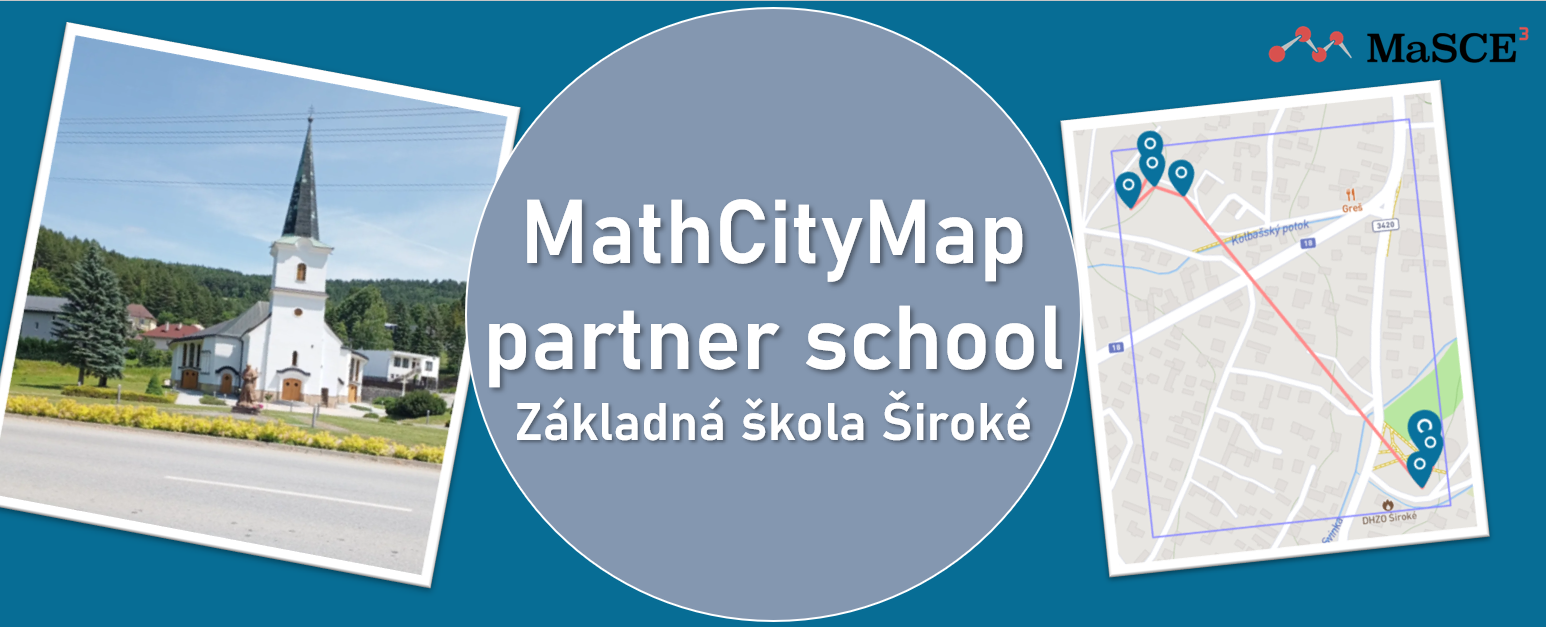
We warmly welcome Základná škola Široké as a new partner school of MathCityMap. We are very pleased about the cooperation and the great commitment of the teachers and students.

Three trails have already been created and published. They can be found in the portal under the following titles and codes:

ZŠ Široké – 3628200

ZŠ Široké 2 – 0428201

Široké – 3730018

Teacher Janka Papcunová reports:

«We created the tasks with the students in the schoolyard of our elementary school and in the community of Široké. They really enjoyed both creating the tasks and solving them. Everyone had a lot of fun.

Creating the tasks not only promoted mathematical thinking. It also promoted communication, consideration, and reasoning. We laughed a lot while creating and solving the tasks, and the lessons were very relaxed. Everyone liked that we weren’t in the classroom and didn’t have to sit down.

We also developed additional tasks for students in the lower grades. They were thrilled when they saw that their tasks were being solved by younger students and that they were enjoying it. Some even completed the trails on their own in their free time.»

The package with the official partner school badge and the MCM measuring instruments is on its way and we are looking forward to receiving more applications from all over the world.

All further information on the partner school programme and the requirements for application can be found both in the article on the first MCM partner school and on the homepage of our MaSCE³ project.
 

Dear MathCityMap Community,

At the end of the year, we would like to look back together with you on an eventful and successful MathCityMap year 2025.

A particularly exciting milestone: the MathCityMap community has once again grown significantly. Around 56,000 users are now using MathCityMap – as in the previous year, this is an increase of about 16,000 compared to the year before. We are very happy about this continuous growth. There has also been a lot of development in terms of content. The number of created tasks has risen to 122,000 – at this time last year, it was still just under 100,000.

2025 was also characterized by numerous workshops and teacher training sessions related to MathCityMap. Many of these were organized by our dedicated partners. In addition, we were present with MathCityMap booths at various events, where we were able to engage directly with teachers, learners, and interested participants.

As part of our Erasmus+ project MATRIX (Math Trails with an Inclusive Perspective on Students Experiences), we were able to implement important new features this year. The read-aloud function and the translation function help to make MathCityMap even more inclusive and to facilitate access for as many learners as possible. With our Content Gallery, we now have a place where we can collect high-quality and diverse public tasks, serving as inspiration for everyone who wants to create new tasks.

Our network continues to grow as well: we were able to gain several new partner schools again and are now working with almost 80 partner schools. This close collaboration is a central building block for the further development of MathCityMap and for the exchange of ideas and experiences from practice.

We are very happy about these impressive developments and the great cooperation with our partner schools as well as our engaged community. Thank you for your interest, your ideas, and your enthusiasm in discovering mathematics in new ways together with us and passing this on. Together, we open up a different perspective on mathematics for many learners and create positive change step by step. Without our amazing users, none of this would be possible – for that, we say from the bottom of our hearts: thank you!

At the end of the year, we wish you and your families happy holidays, a merry Christmas, and a great start to the new year 2026. We are already looking forward to discovering exciting and creative MathCityMap tasks together with you and many new members around the world in the coming year.

Your MathCityMap Team

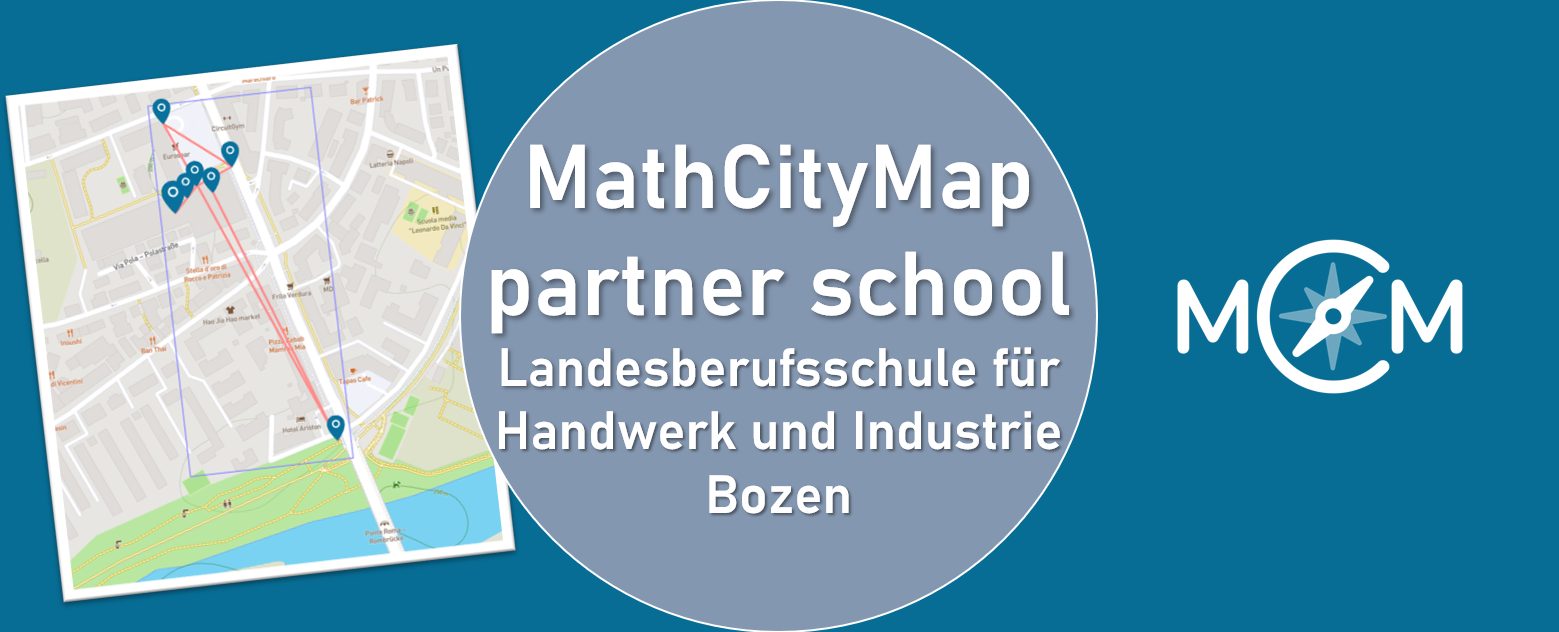
We are very pleased to welcome the Landesberufsschule für Handwerk und Industrie Bozen as a new MathCityMap partner school. After the school’s teachers participated in a MathCityMap training in 2024, the school has now officially published its first two trails:

The feedback from the students has been very positive. Designed as small outdoor learning activities, the trails offer a welcome change from regular classroom lessons. The spacious area in front of the school and the nearby river provide a pleasant outdoor learning environment.

The trails were carried out with two fourth-year classes from the technical school for computer science as well as a basic vocational class. Equipped with the necessary tools, the groups were able to work independently, with occasional input from the teachers when needed. One important takeaway: a short briefing in the classroom makes the on-site activities run much more smoothly.

Thanks to the frequent double lessons, the trails with their seven tasks can easily be completed within one teaching unit – including travel time there and back.

We thank the Landesberufsschule für Handwerk und Industrie Bozen for their commitment and warmly welcome them to the MathCityMap community!

The package with the official partner school badge and the MCM measuring instruments is on its way and we are looking forward to receiving more applications from all over the world.

All further information on the partner school programme and the requirements for application can be found both in the article on the first MCM partner school and on the homepage of our MaSCE³ project.

On Thursday, December 4th, our third MathCityMap Partner School Meeting took place – once again a very enriching exchange on the use of MathCityMap in the classroom.

This time, the focus was on our new feature, the student accounts. With them, students can independently create their own MCM tasks and thus further develop their problem-solving and problem-posing skills. After an overview of other recent MCM updates and a short introduction, there was a hands-on phase during which participants could try out the new feature directly.

The meeting was attended by part of the MCM team, several project partners, and numerous teachers from Slovakia, Portugal, Spain, Germany, and Italy. Participants took the opportunity to ask many questions. We were particularly pleased with the positive feedback and the valuable suggestions for improvement, which will now be incorporated into the further development of the system.

At the end of the online meeting, we took a group photo to capture this successful event.

We would like to thank all participants and are already looking forward to the next meeting!

Portal web en la aplicación

El portal web de MathCityMap también se puede utilizar directamente a través de la aplicación. Esto le permite acceder y administrar contenido creado, como tareas y rutas. A continuación, se presenta una guía paso a paso para acceder y utilizar el portal web en la aplicación:

Paso 1 – Abra el Portal web

Para poder utilizar el portal web en la aplicación, primero debe activar la opción de gestión en la configuración.

A continuación, puede hacer clic en el campo «Gestionar rutas» de la página de inicio. Se abrirán el portal web y una ventana de inicio de sesión.

Paso 2 – Inicie sesión en el portal web.

Si ya tienes una cuenta en el portal web MathCityMap, puedes iniciar sesión directamente.

De lo contrario, puede registrarse.

También puede continuar sin iniciar sesión, pero entonces no podrá utilizar todas las funciones del portal.

Paso 3 – Funciones del portal web

 
Puede utilizar el portal web a través de la aplicación de la misma manera que lo hace a través del navegador. Solo la vista es ligeramente diferente cuando se utiliza el smartphone.

Aquí encontrará los campos del menú en forma de lista y podrá cambiar a la vista del mapa haciendo clic en el símbolo del mapa situado en la parte inferior derecha.

También puede volver a la vista de menú haciendo clic en el icono de lista.

Paso 4 – Gestionar contenido

A diferencia de cuando se utiliza el portal web en una tableta o un ordenador portátil en el navegador, las distintas opciones de gestión de su contenido se encuentran debajo de los tres puntos situados en la parte superior izquierda si ha hecho clic en una tarea, un rastro o un grupo.

Paso 5 – Salir del portal web

Puede volver a las distintas funciones de la aplicación haciendo clic en uno de los símbolos del campo azul inferior.

El icono de la casa representa la página de inicio de la aplicación, el icono de ubicación sirve para buscar rutas y el icono de descarga para las rutas guardadas.

Más Tutoriales

Gestionar el aula digital

El aula digital ofrece muchas posibilidades. Aquí aprenderás a observar, gestionar y apoyar tu aula digital en directo durante, antes o después del recorrido matemático.

Paso 1 – Cambiar a la vista de observación

Abre el rastro para el que has creado tu aula digital y haz clic en el icono correspondiente.

Dependiendo de cuándo desee abrir la vista del aula digital, encontrará su aula digital en «En curso», «Próximas» o «Completadas».

Haga clic en el aula digital deseada para abrir la vista de observación.

Paso 2 – Resumen en la vista de observación «En curso»

En la parte superior de la vista, puedes ver cuántos minutos quedan, es decir, cuándo terminará automáticamente la clase digital.

La vista muestra una lista de todos los grupos a los que te has unido con sus nombres, estado y puntos en el lado izquierdo. El número que aparece después del hashtag indica el orden en el que te has unido a los grupos. El grupo con más puntos siempre aparece en la parte superior de la lista.

Para cada grupo, puedes ver campos redondos que representan las diferentes tareas. Un campo blanco significa que la tarea aún no se ha visto. El azul significa que la tarea acaba de abrirse. El rojo, el amarillo y el verde representan tareas incorrectas, satisfactorias o bien resueltas. Un campo gris significa que este grupo ha omitido la tarea.

Si haces clic en un grupo, accederás al chat. Aquí podrás comunicarte con los participantes mediante mensajes, notas de voz o imágenes durante toda la sesión. En «Eventos» podrás ver cómo avanzan los alumnos, por ejemplo, si utilizan pistas y si necesitan varios intentos para resolver una tarea.

En la parte derecha de la pantalla hay un mapa que muestra las tareas y los grupos unidos (siempre que activen el GPS). Gracias a la numeración y al código de colores, los grupos del mapa se pueden volver a encontrar fácilmente en la lista.

Paso 3 – Funciones adicionales en «En curso»

En la parte superior derecha hay un icono de chat. Al hacer clic en él, puedes enviar un mensaje a todos los participantes a la vez. Utilízalo, por ejemplo, para dar indicaciones relacionadas con el tiempo.

En «Configuración», por ejemplo, puedes ampliar la duración de la sesión o ajustar la vista. Allí también encontrarás información sobre tu aula digital.

En «Eventos», puedes ver todas las acciones de los grupos a los que te has unido. Para obtener una vista más compacta, selecciona grupos individuales y luego ve a «Eventos».

Para eliminar miembros, haz clic en el grupo correspondiente y luego haz clic en la X en la parte superior derecha. Confirma la acción con «Aceptar».

Paso 4 – Gestionar las próximas aulas digitales

Hasta 30 minutos antes del inicio de la sesión, puede ajustar la configuración de su aula digital.

Se pueden editar los mismos ajustes que al crear el aula digital.

Durante la sesión y en los 30 minutos previos, ya no es posible realizar modificaciones.

Paso 5 – Gestionar aulas digitales completadas

Hasta 6 meses después de la sesión, los datos recopilados del aula digital aún pueden consultarse.

Por ejemplo, puede obtener información sobre qué tareas resultaron fáciles para los alumnos y cuáles pueden haberles causado problemas con mayor frecuencia. Estos aspectos pueden volver a debatirse durante una sesión de revisión conjunta.

Más tutoriales

Crear un aula digital

En el portal web MathCityMap se puede crear un aula digital para un recorrido matemático, que ofrece herramientas organizativas y educativas. Aquí encontrará una guía paso a paso para crear un aula digital:

Paso 1 – Seleccionar un sendero existente

Para seleccionar una ruta existente, haz clic en el campo «Rutas: crear y gestionar». También puedes hacer clic en «Rutas» en la barra de menú de la izquierda.

Se abrirá una vista con tus rutas. Haz clic en la ruta deseada para abrir su vista detallada.

También puede crear un aula digital con rutas públicas. Haga clic en la ruta deseada para abrir su vista detallada.

Paso 2 – Cambiar al área «Aula digital»

En la parte superior izquierda, verás un icono que muestra una figura delante de una pizarra. Haz clic en él para abrir la sección del aula digital.

Aquí verás un resumen de las aulas ya creadas (si las hay), así como un botón «Nuevo» para crear una nueva aula digital.

Paso 3 – Crear un nuevo aula digital

Después de hacer clic en «Nuevo», se abrirá el editor del aula digital.

En primer lugar, rellene la información general: el nombre del aula digital se mostrará a los alumnos en la aplicación, seleccione la fecha y la hora de la sesión (los alumnos pueden unirse 30 minutos antes del inicio) y establezca la duración del aula digital (una vez transcurrido el tiempo, la sesión finalizará para todos los participantes).

También puedes escribir un mensaje de bienvenida y despedida. Estos se mostrarán a todos los participantes al principio y al final, o al salir de la sesión.

En la configuración, puedes activar o desactivar la tabla de clasificación. La tabla de clasificación es una lista de clasificación local y muestra la puntuación de tu equipo, así como la puntuación del equipo que va por delante y del equipo que va por detrás.

Con la función de asignación automática de tareas, puedes controlar si todos los participantes deben comenzar con la misma tarea o si primero deben repartirse entre las tareas.

Haga clic en «Crear» para guardar la configuración. La clase digital aparecerá entonces en «En curso» o «Próximas», dependiendo de la hora de inicio. Entre corchetes, encontrará el código asociado que comienza por «s». Compártalo con sus alumnos para que puedan unirse a la clase digital.

Más tutoriales

Funciones en un aula digital

La ruta de un aula digital funciona como las rutas regulares, pero hay algunas funciones adicionales. Estos se explican con más detalle en los siguientes pasos:

Paso 1 – Información de la sesión

Debajo del título del recorrido, puedes ver cuánto tiempo te queda para completarlo, así sabrás cuándo terminará la sesión o el aula digital.

También encontrarás una lista de los demás equipos y sus puntuaciones actuales para que puedas compararte con ellos durante la sesión.

Paso 2 – Descripción general de la tarea

Haga clic en los tres puntos situados en la parte inferior derecha para utilizar otras funciones del aula digital.

Por ejemplo, puede obtener una visión general de las tareas del recorrido haciendo clic en el icono de la bandera. A continuación, puede seleccionar una tarea inicial si aún no se ha seleccionado.

El símbolo de la bandera azul se convierte entonces en un símbolo de ojo naranja. Si haces clic en él, se volverán a mostrar todas las tareas del mapa.

Paso 3 – Función de chat

 
Puedes ponerte en contacto con la persona que dirige la sesión durante la clase digital. Para ello, haz clic en los tres puntos situados en la parte inferior derecha y, a continuación, en el icono del bocadillo.

Puedes escribir mensajes, grabar mensajes de voz y enviar fotos.

El símbolo de la bandera azul se convierte entonces en un símbolo de ojo naranja. Si haces clic en él, se volverán a mostrar todas las tareas del mapa.

Paso 4 – Salir de la sesión

Si quieres salir de la sesión antes de tiempo, haz clic en los tres puntos y luego en el símbolo naranja de salida.

Confirme con «Sí» para finalizar la sesión.

A continuación, se le proporcionará un resumen de la puntuación obtenida y las tareas completadas.

Más Tutoriales