Generic Tasks: Determining Quantities and Numbers

Determine quantities and numbers – an issue that is already relevant at primary level. For getting started in determining numbers, one should use regularly arranged objects like windows on a (high-rise) building, paving stones on a sideway or stones at a wall.      When determining windows on houses, in many cases you can count the […]

Task of the Week

Determine quantities and numbers – an issue that is already relevant at primary level. For getting started in determining numbers, one should use regularly arranged objects like windows on a (high-rise) building, paving stones on a sideway or stones at a wall.     

Determine the number of windows on the house

When determining windows on houses, in many cases you can count the number of windows per row and the number of rows and get the result by multiplication. It is important to make clear whether you ask for windows or window panes, and whether all the windows of the building are relevant or, for example, only windows on the southern front.     

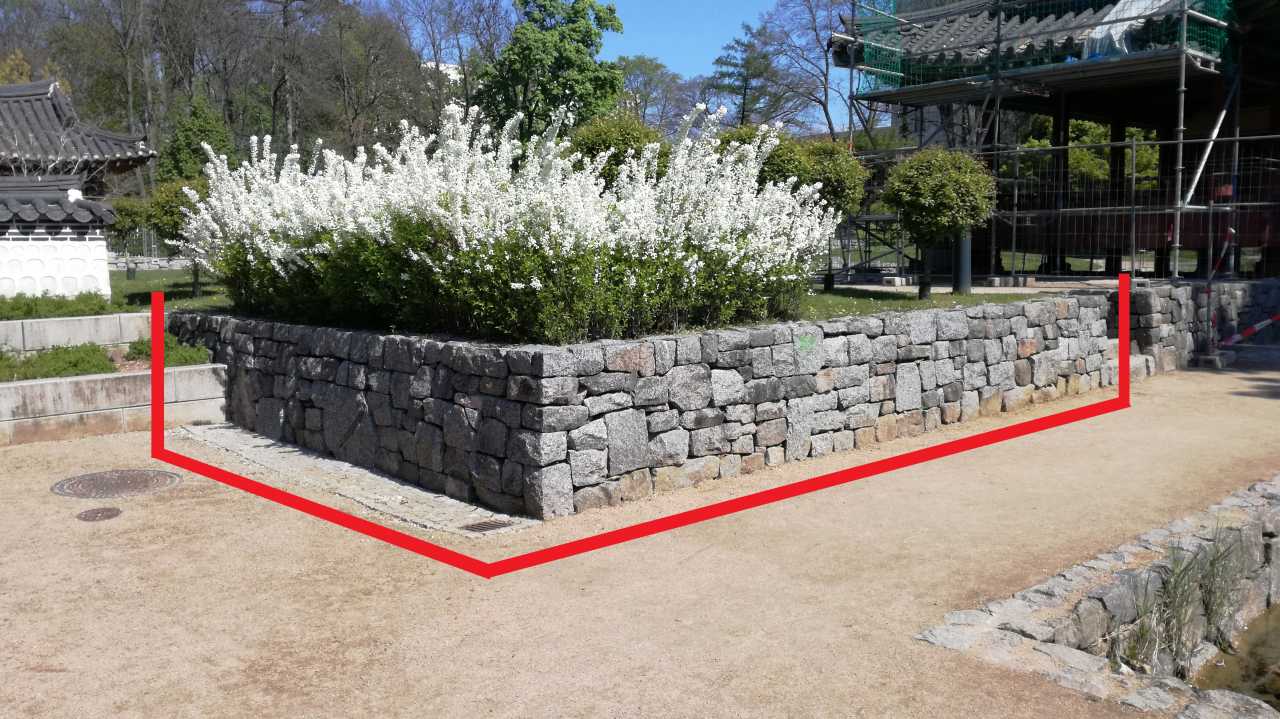
Determine number of bricks

For walls and rectangular pavings there are several possibilities:    

1. One determines the number n of the stones per 1m² and projects that to the total area A.     

2. The length and height of the wall are determined in “stone units” and one counts the number of stones in length l and in width b.     

Circular arranged stones with a gap

The level of difficulty increases when deviating from rectangular areas and e.g. asking for circular arranged stones. In addition, it can be difficult to determine the number of objects in which the regularity is interrupted in some places and one is forced to choose special solution methods.

You will find a detailed overview of our generic tasks on Determining quantities in the deposited PDF document.
Happy Pi Day

Friends of special dates and numbers might already have noted it in their calendar: Today is Pi Day. Based on the American spelling of today’s date (3/14) and the beginning of the number Pi with its first two decimals, the 14th March is perfect to celebrate Pi. Therefore, today everything at MCM revolves around the […]

Friends of special dates and numbers might already have noted it in their calendar: Today is Pi Day. Based on the American spelling of today’s date (3/14) and the beginning of the number Pi with its first two decimals, the 14th March is perfect to celebrate Pi. Therefore, today everything at MCM revolves around the circle and we would like to celebrate this with the help of one of our various tasks on the topic of the circle.


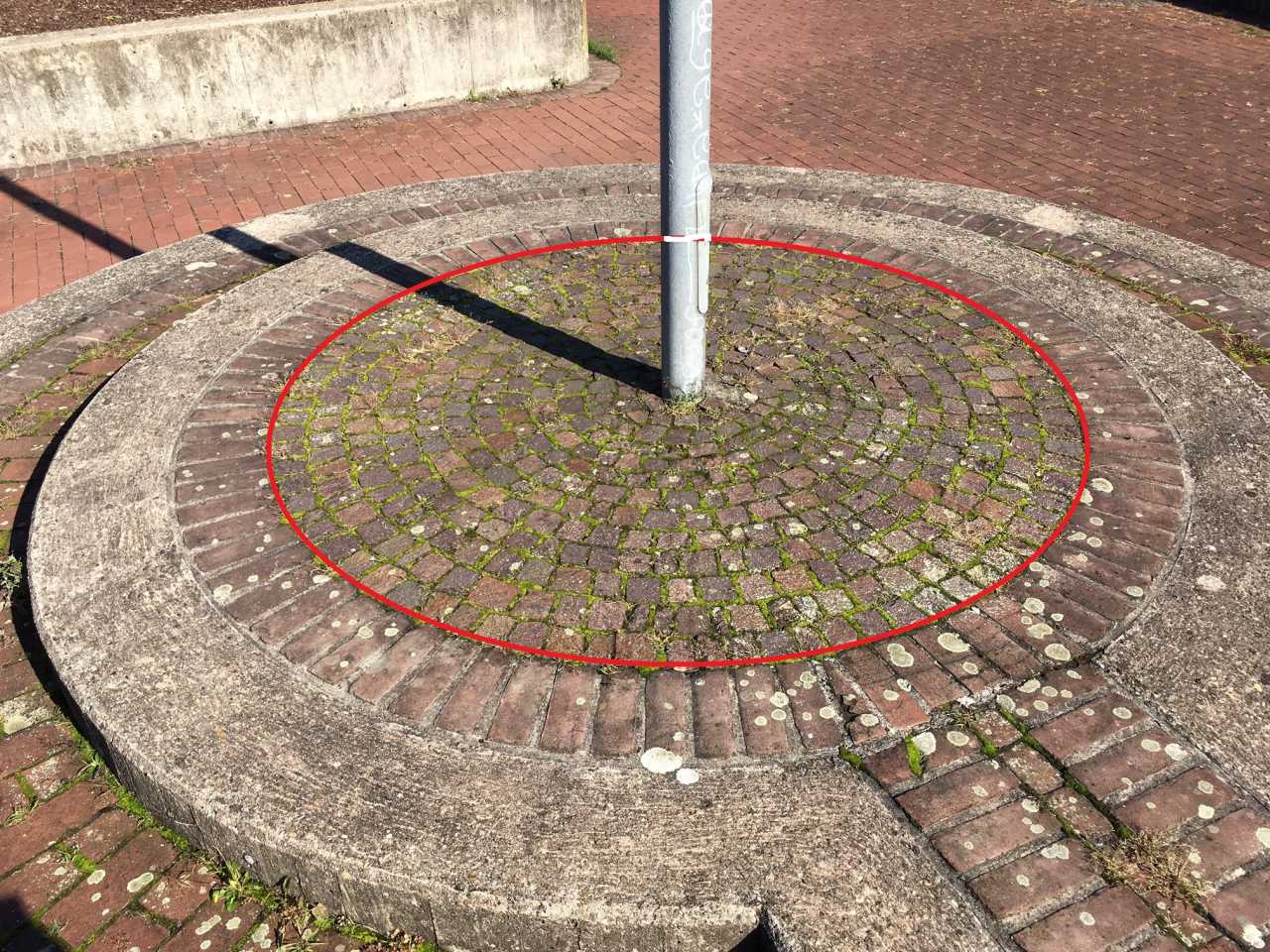
Task: Paving stones in a circle (Task number: 2007)

How many paving stones are in the red marked area?


Despite various approaches, the number Pi is central while solving the problem. On the one hand, it is possible to determine the number of paving stones in a certain area (for example one square meter) and to project them to the total area. The task can be solved particularly clever by considering a paving stone as a unit and expressing the radius of the circle by the number of stones.

This is just as one example of many tasks in which the number Pi is relevant in everyday life and for the math trail idea (e.g. traffic signs, advertising pillars, trees). In this sense: Happy Pi day!

By the way: the task is part of a trail around the Stuttgart’s stock exchange. They were created by our team and will be officially opened in April.